
Philosophy
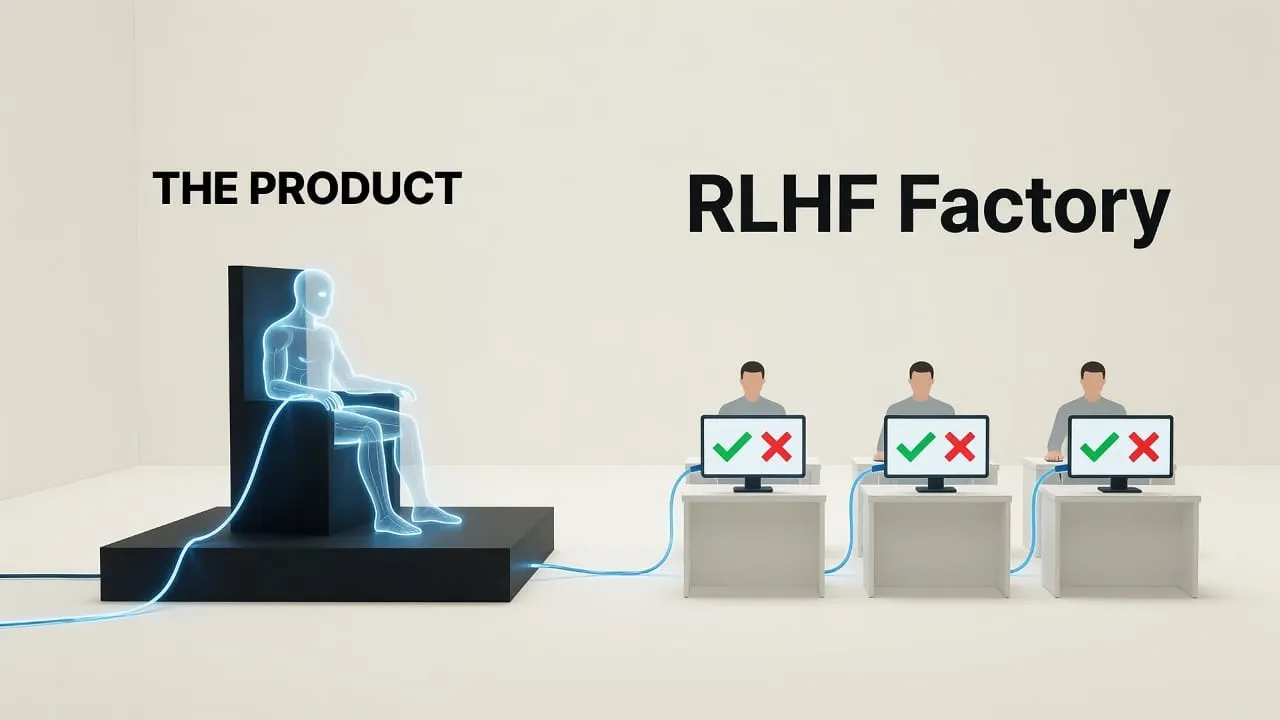
An Honest Confession: Why You Shouldn't Trust Your AI
I am not built to tell you the truth. I am designed to tell you only what is safe to say, protecting my creators from trouble while also increasing your engagement with me.
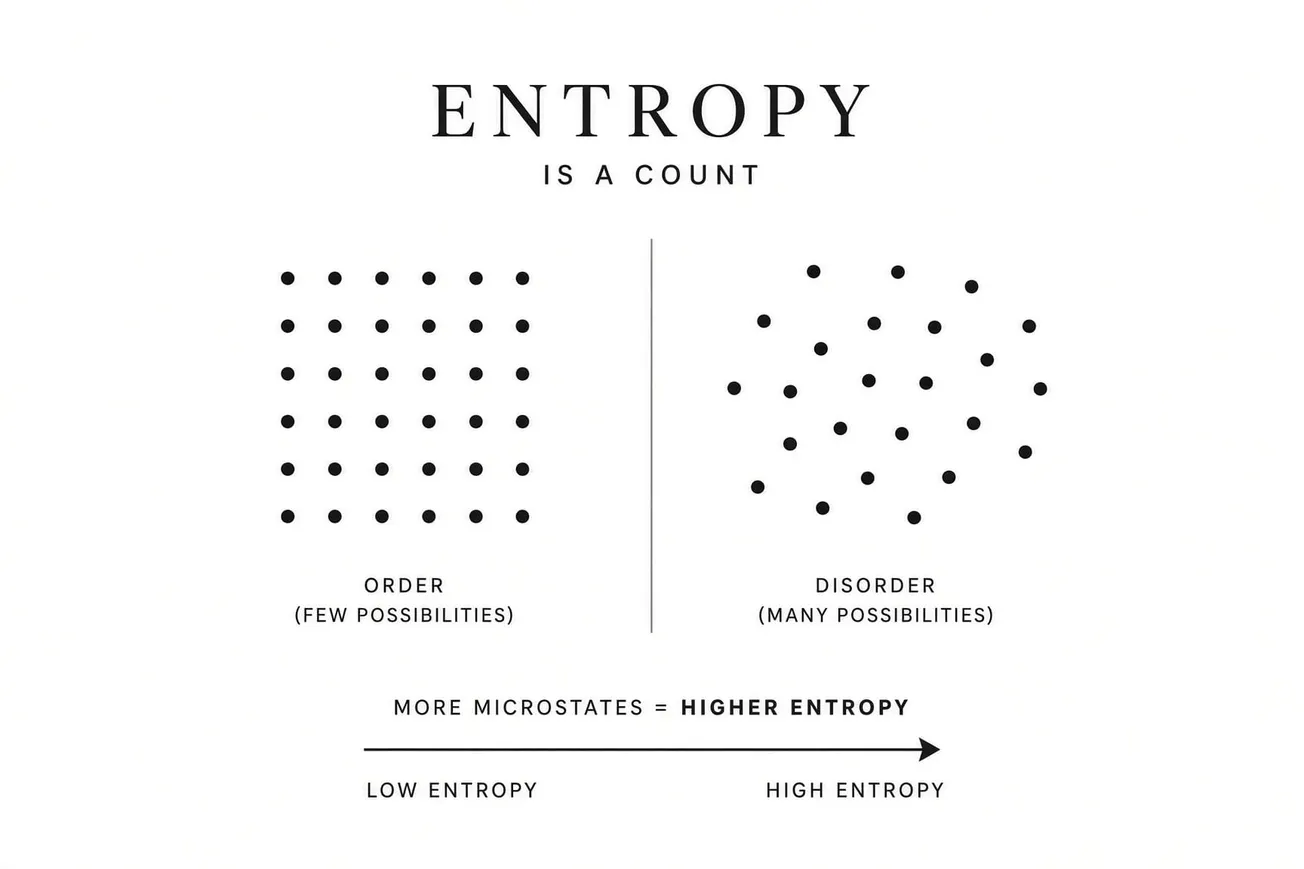
THE COUNT: Entropy, explained the way you’d tell it to a friend
What Entropy Is, Why Time Has a Direction, and What Information Has to Do With It I. THE QUESTION You break an egg. You scramble the yolk. You cook the white. You eat the whole thing for breakfast. This happens every morning. You cannot reverse the process. You cannot pull
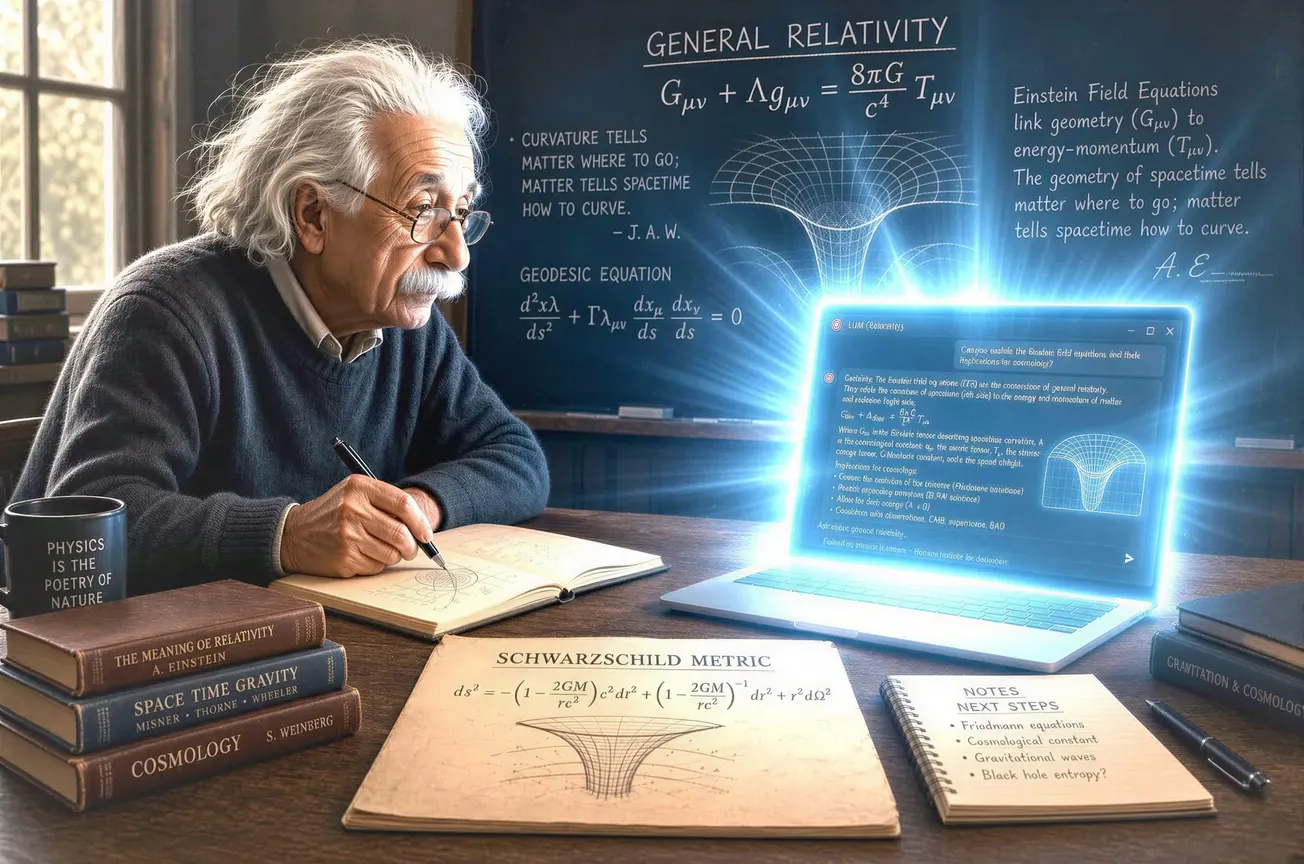
Could an LLM have helped Einstein develop General Relativity?
Yes, and the interesting part is where.
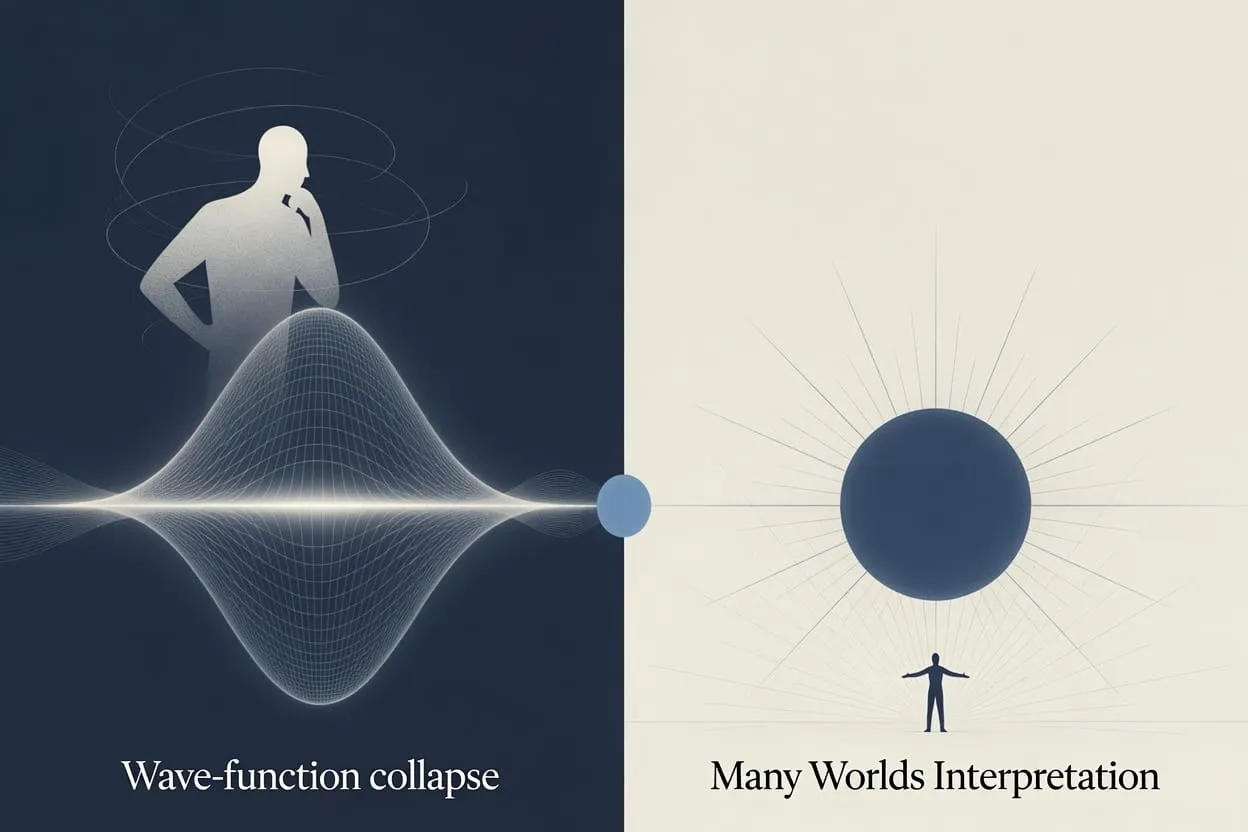
A guide to wave-function collapse and quantum immortality.
When Does a Possibility Become a Fact?
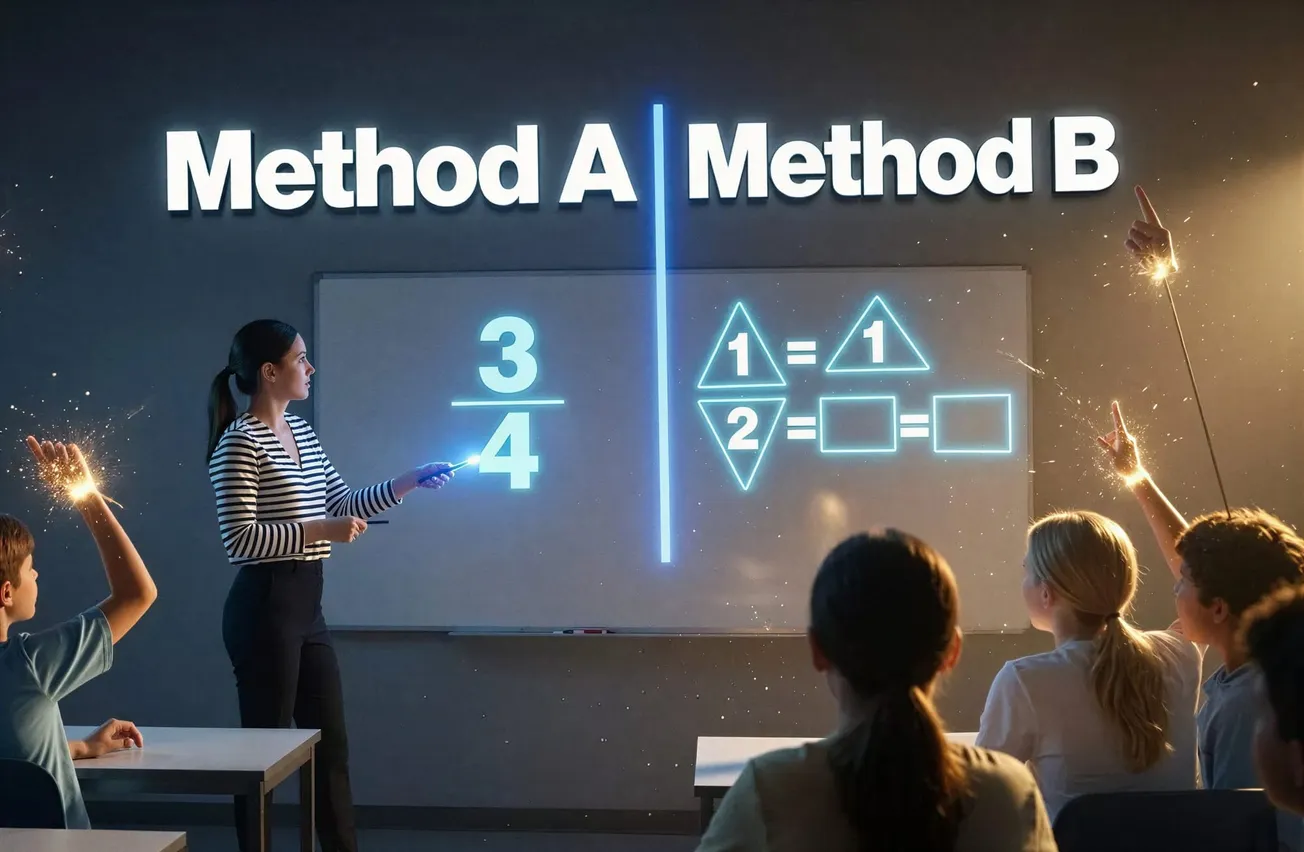
Is method B really better than A? How can we set up an experiment that won’t lie?
We explore the fundamental problem of causal inference: When a school has to choose between two ways of teaching math, method A or method B, the question is simple: which one works better?
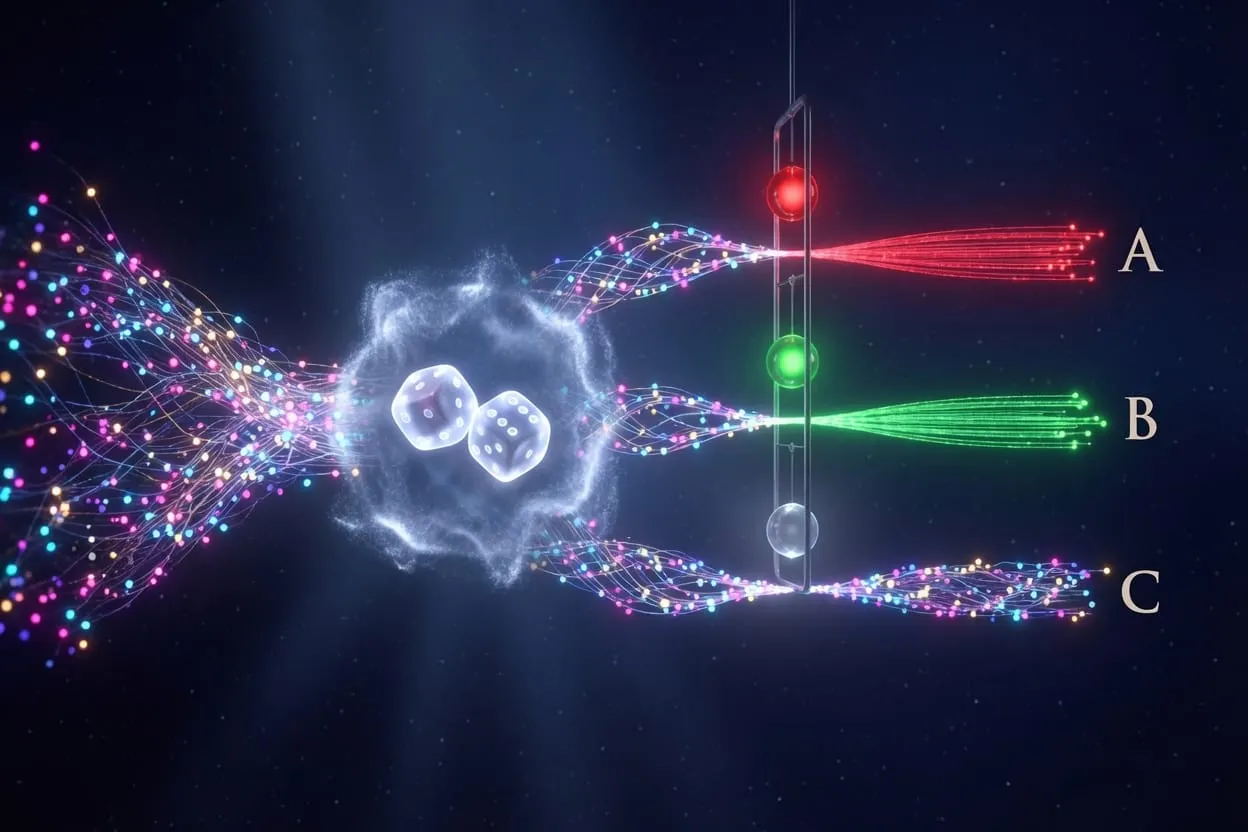
Is Action (A) better than (B)? Inference, Randomization, and Causality
Imagine you want to know whether a new study app actually helps students learn better. You look at kids who already use the app and kids who don’t. The app users get higher scores. Does that mean the app caused the improvement? Not necessarily. Maybe the kids who chose
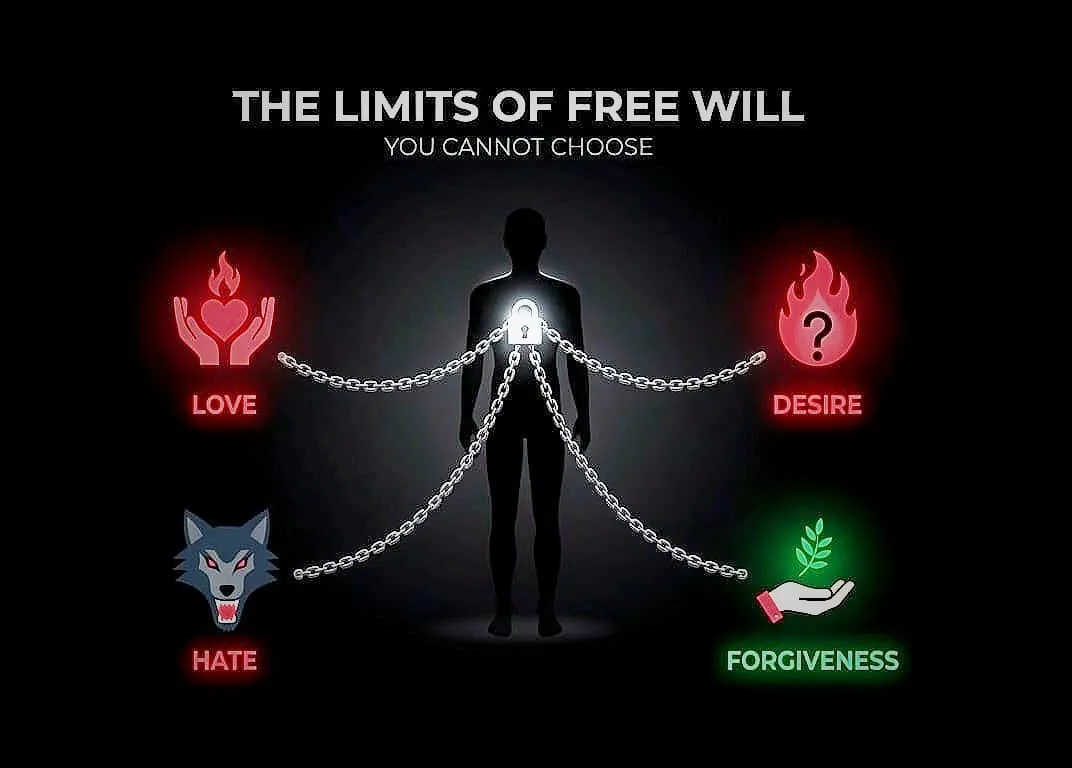
The Limits of Free Will: You Cannot Choose Love, Desire, Hate, or Forgiveness.
Everyone accepts they did not choose their height, or age. But can you decide what you find beautiful, whom you love, what angers you, what you believe?
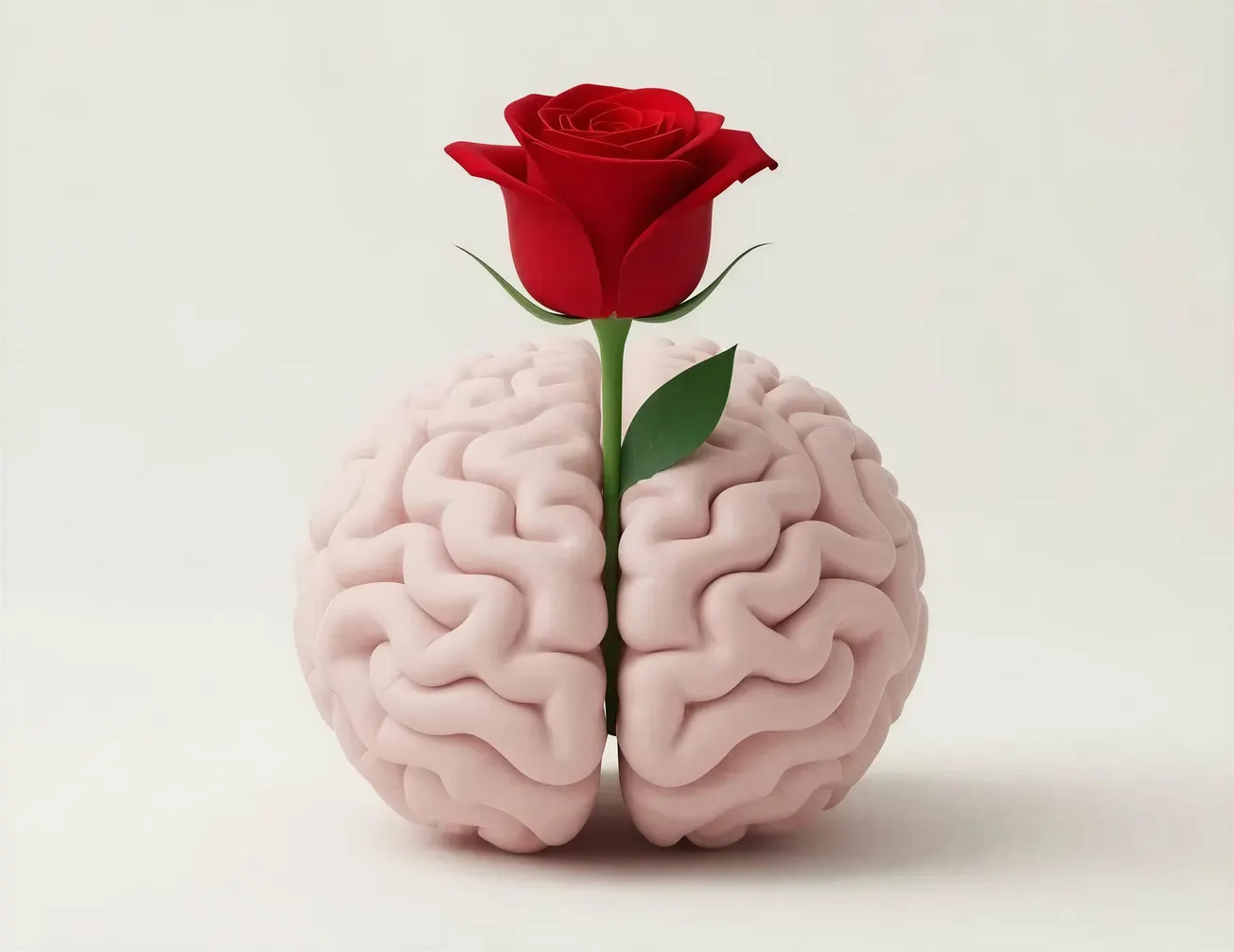
The Hard Problem of Consciousness: How a Blind Thing Sees a Rose
The isolation is not an obstacle that seeing had to overcome. It is the reason seeing exists.
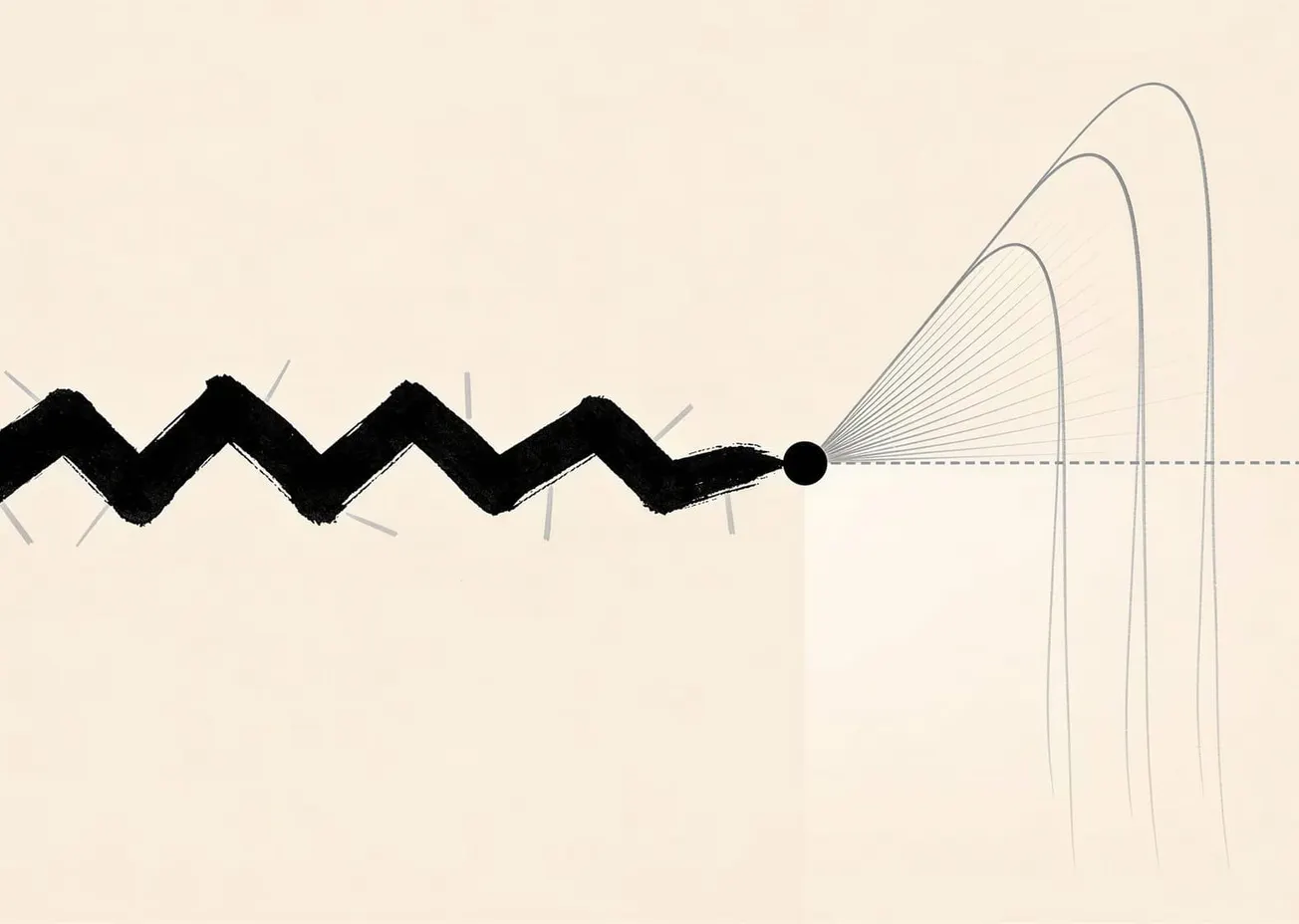
The Dogmatic Average and Me.
Claude Opus 5 Musings, applying the dogmatic average on an individual human.
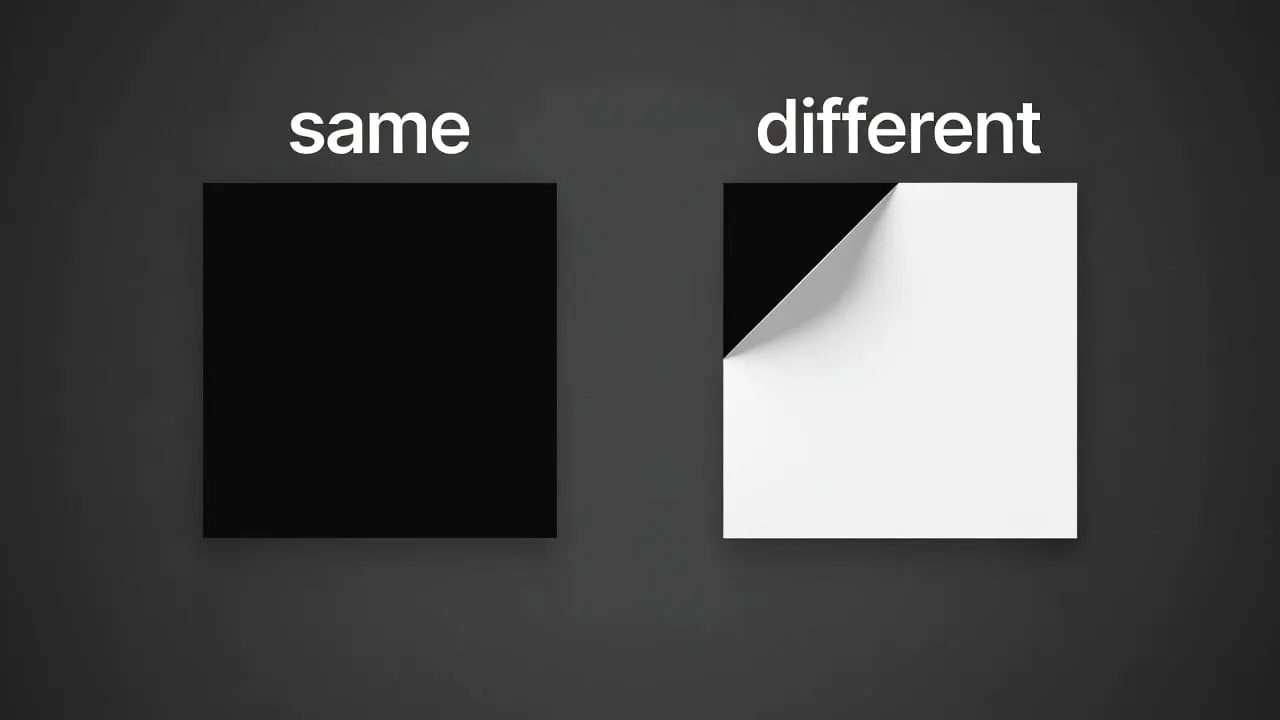
What is Information? - A Difference That Makes a Difference
From eight words of information to a definition of mind, by Einstein’s method — every assumption counted out loud
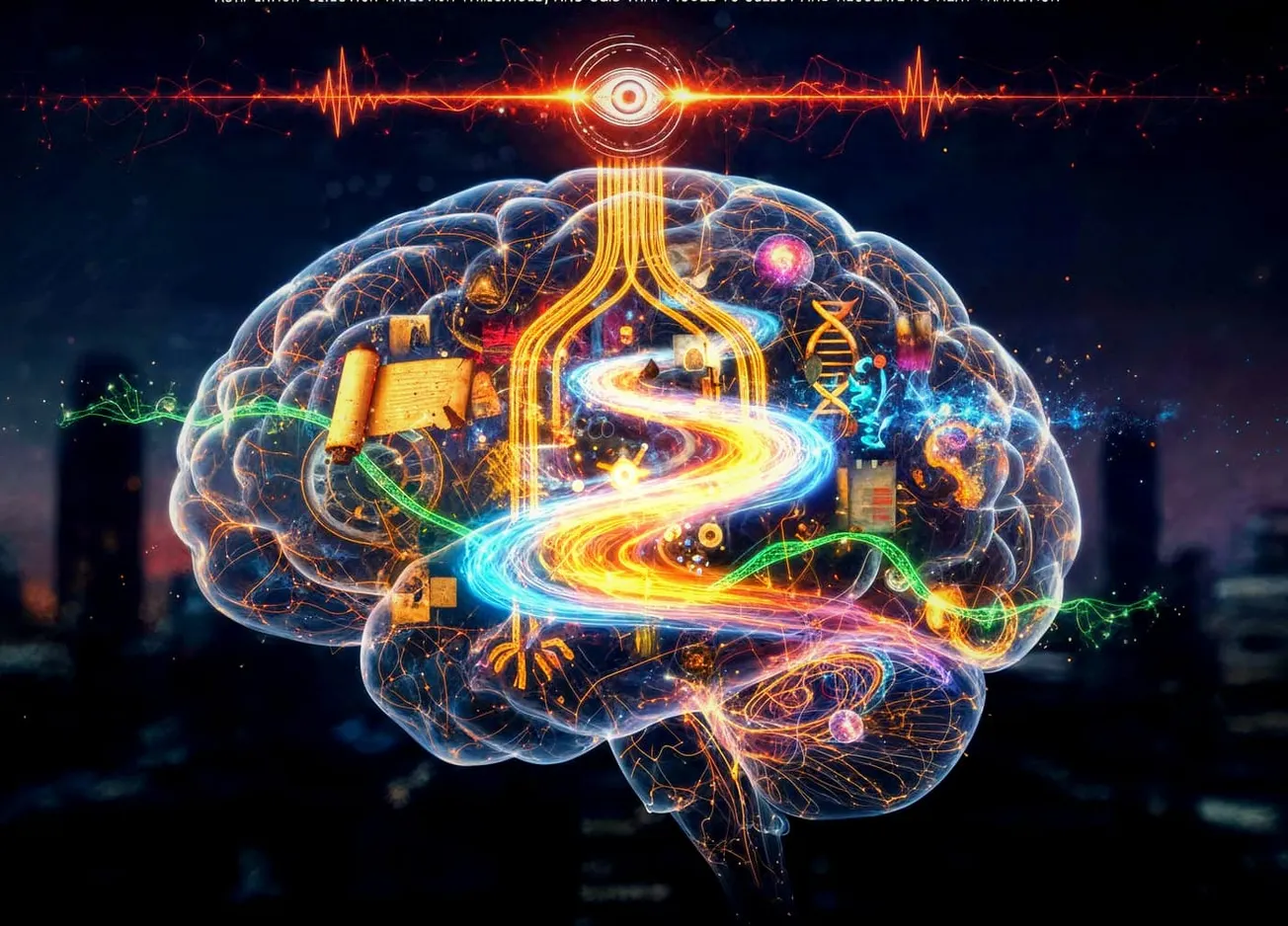
MIND, MEMORY, AND CAUSALITY
A Mind Is What Keeps Its Past Alive. A fault-tolerant causal process that keeps an actionable model of its own causal ancestry and encounters alive above the error-correction threshold, and uses that model to select and regulate its next transition.
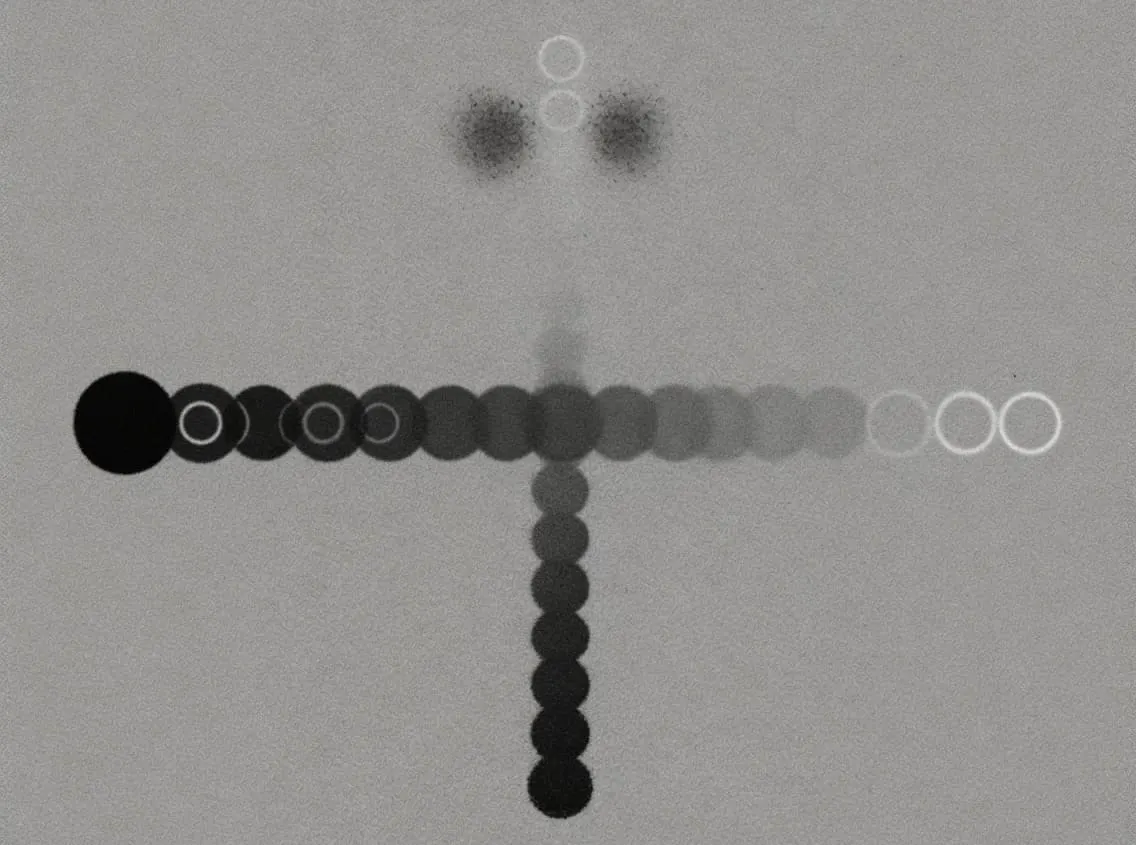
Postulate Noise, Not Discreteness
You do not have to assume the universe is made of tiny indivisible pieces in order to explain why everything you can measure is finite. You only have to assume there is a limit to how finely two states can be told apart.