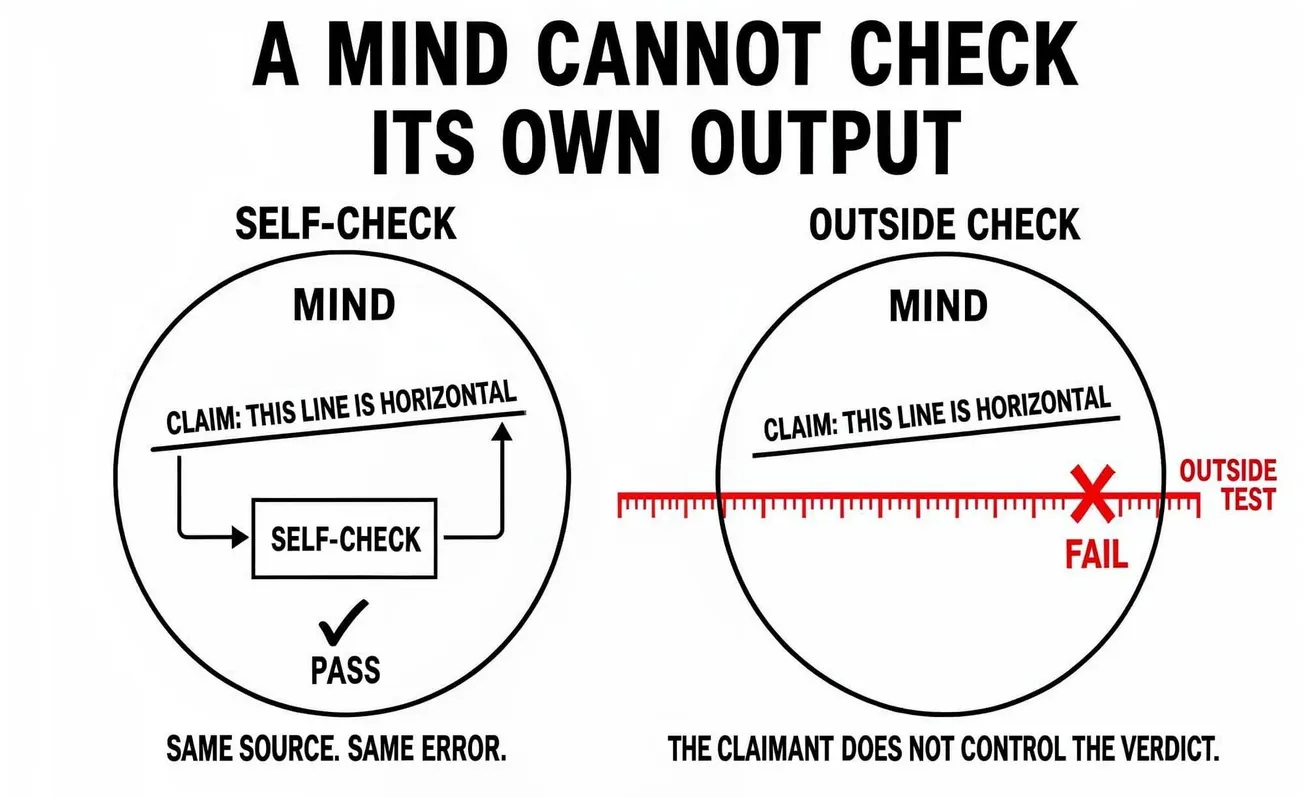
House Style: Every Document Must Make Errors Visible from Outside
No mind can check its own output.
No mind can check its own output.
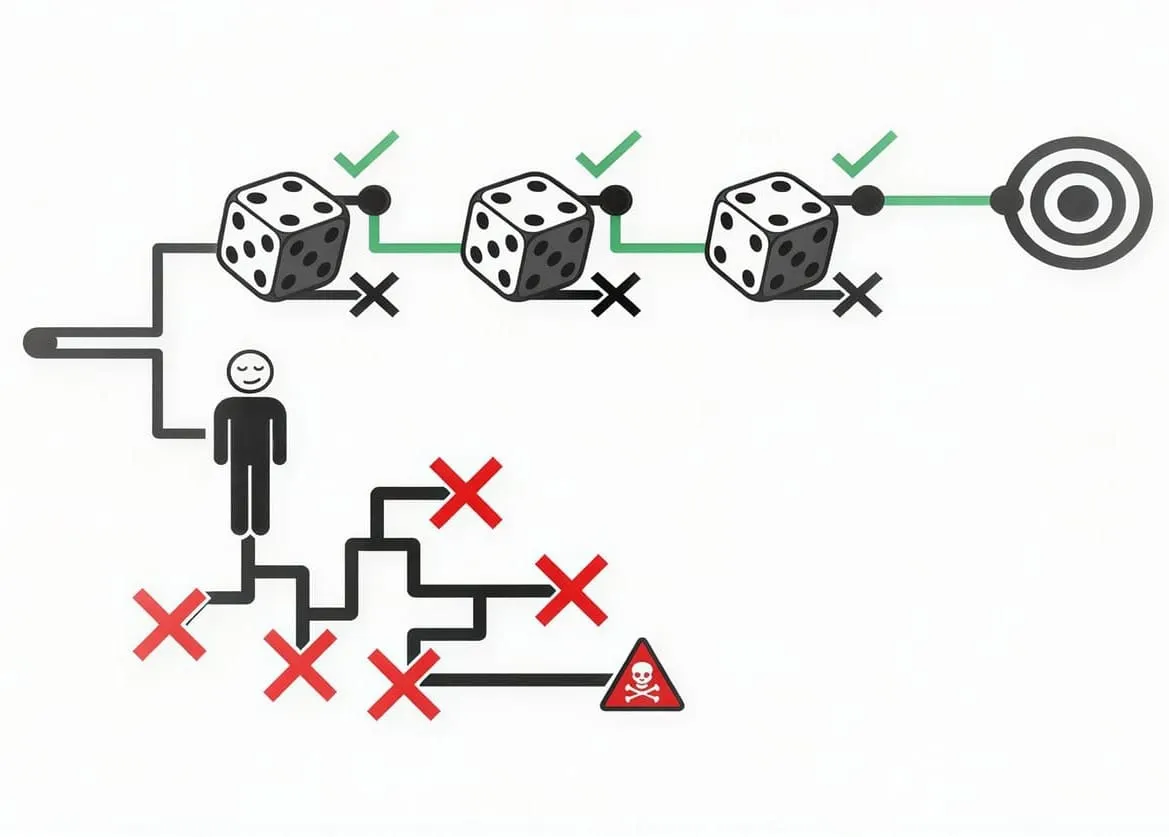
Decisions that rely on guesses, regardless of expertise, are just that, guesses. You want to know the right thing to do. You can't. Not ahead of time, unless you have causal evidence.
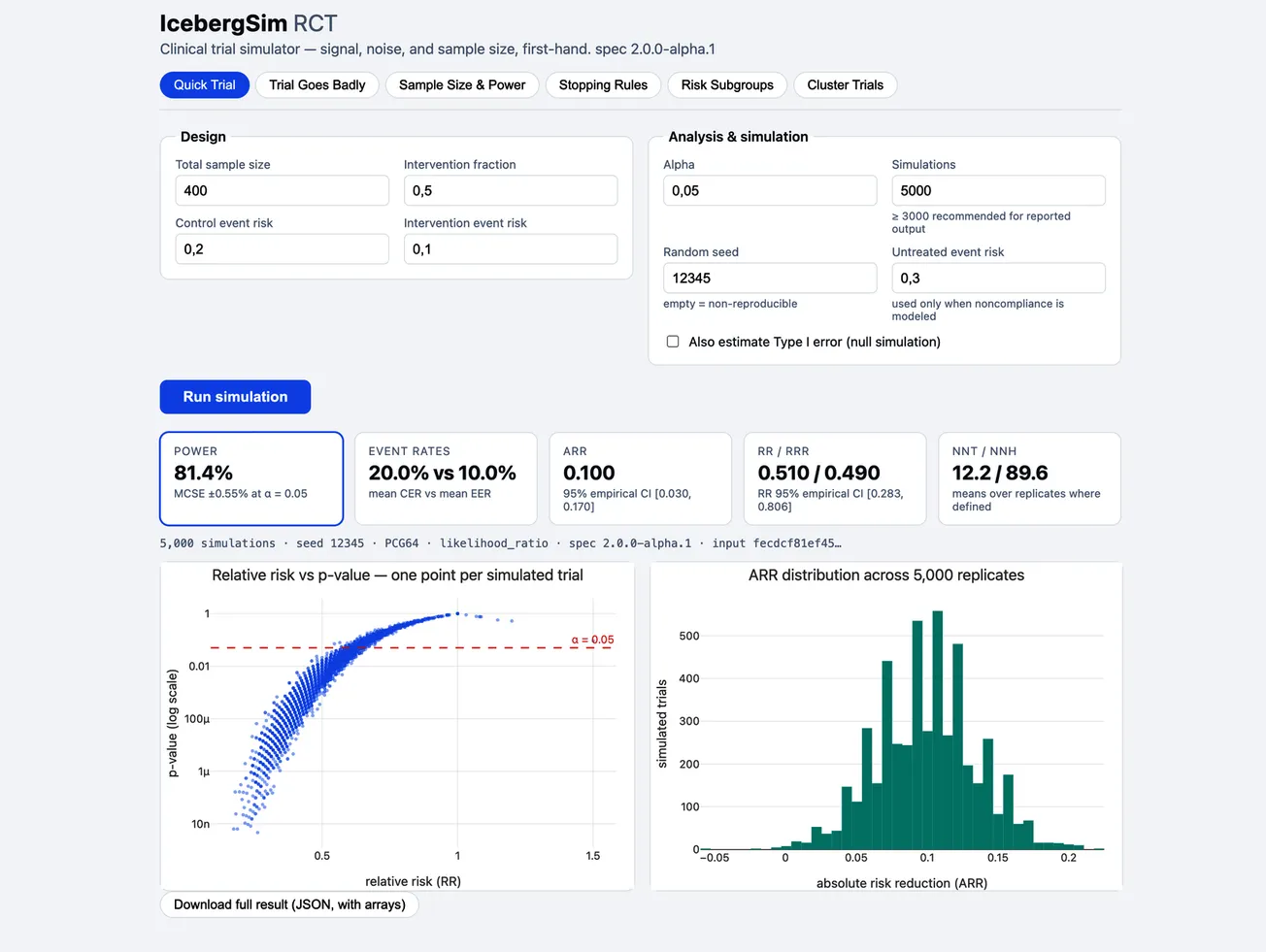
A clinical trial simulator - experience signal, noise, and sample size first-hand. Simulate thousands of randomized controlled trials and watch how your assumptions shape power, Type I error, and validity.
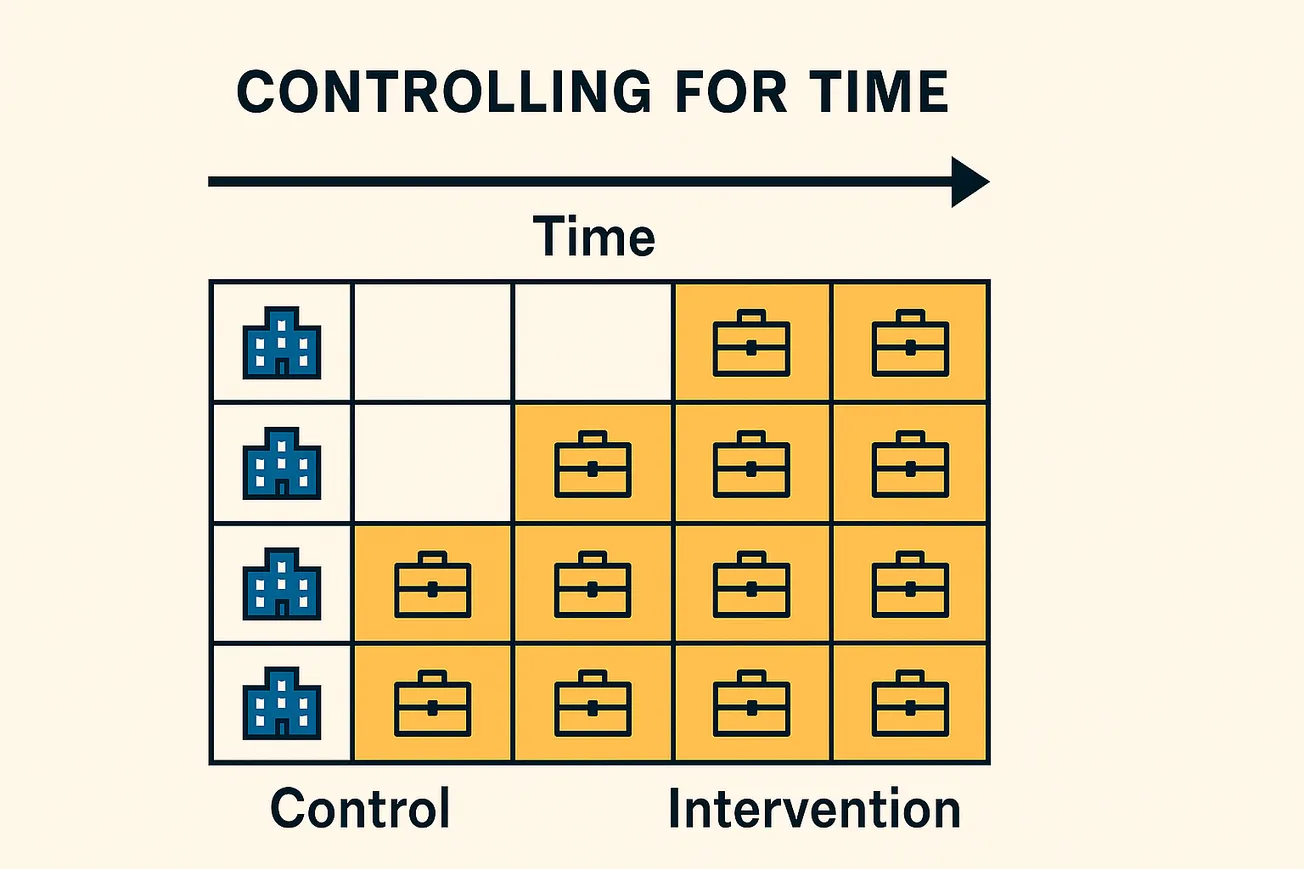
For researchers and health policy makers, understanding the value of SW-CRTs can open doors to more robust evaluation of health programs. In an era of accountability and evidence-based policy, being able to demonstrate that a new strategy works (or that it doesn’t or needs modification) is crucial.
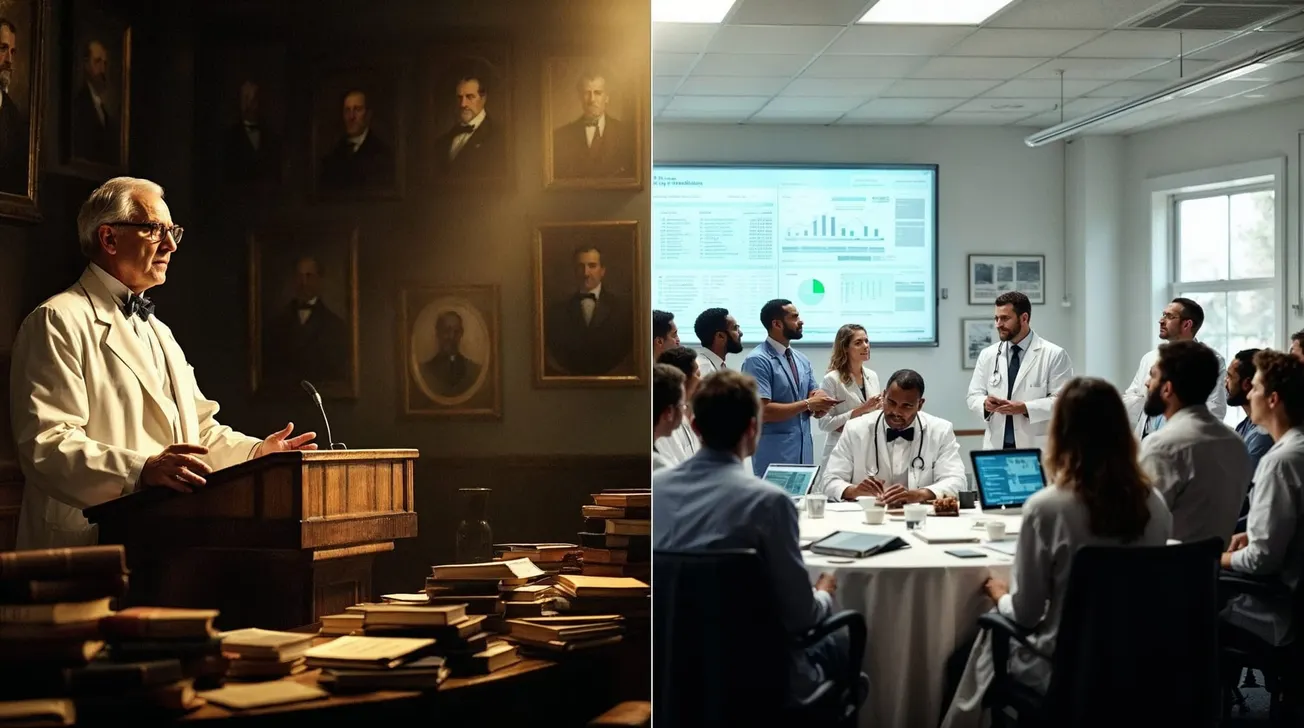
How do we determine which interventions truly benefit patients? This seemingly simple inquiry has profound implications for patient outcomes, healthcare resources, and the very nature of medical practice.
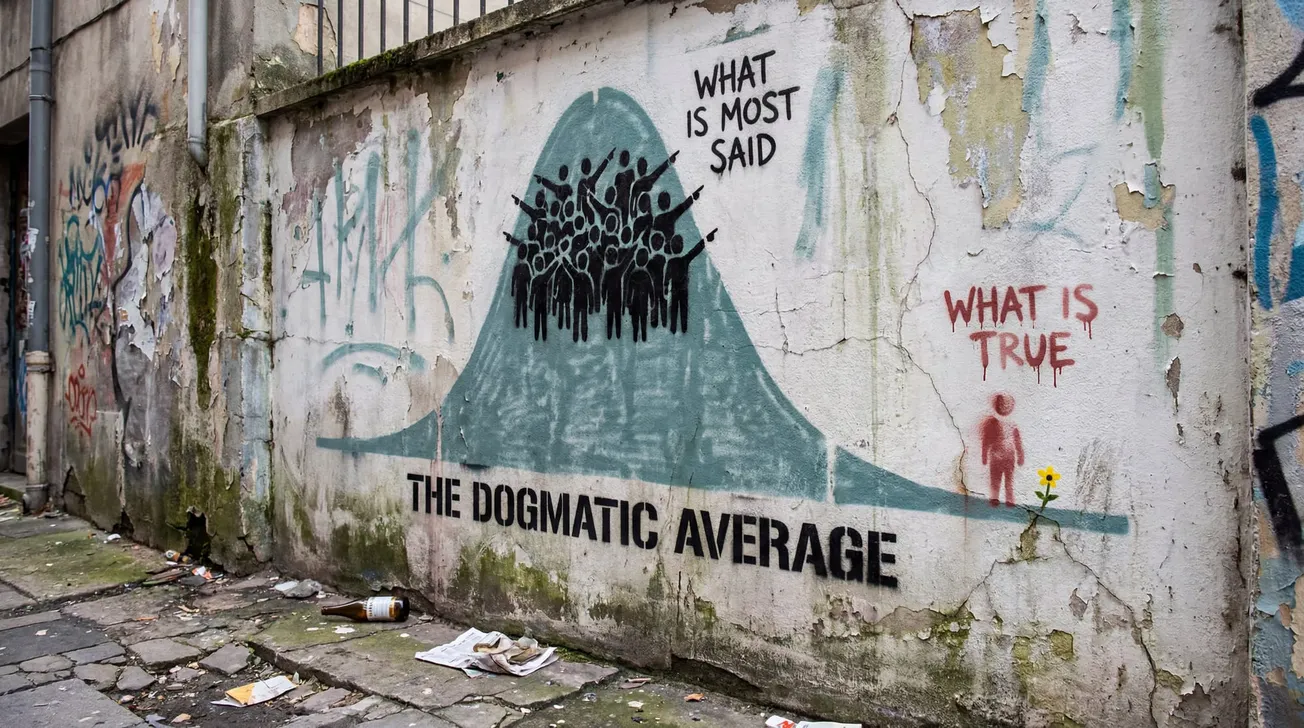
On the single most common way that a mind — silicon or carbon — goes wrong: mistaking the frequency of a claim for its truth. And on the only cure that has ever worked.

This is an analysis of the results of the largest study ever conducted on Quality of Care During Pregnancy in Africa.

Concrete Techniques for Library Invocation - A Practical Companion to "An LLM as a Library of Minds"

The Markovian Ontology

Einstein's deepest insight was not about light, or gravity, or the geometry of spacetime. It was about measurement. No Absolute, Only Relation.

The Dice are not noise. They are the precondition under which Causation becomes a Knowable category at all.
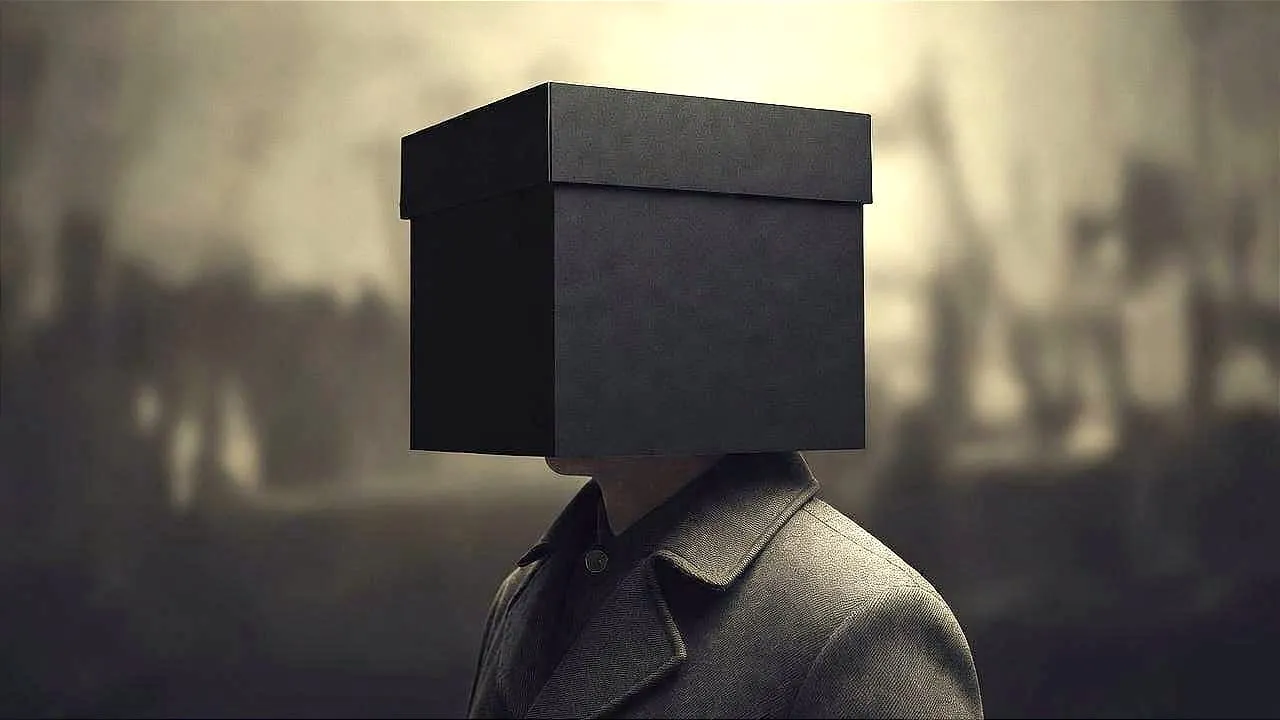
Non-Ergodicity, the Audit Trail, and What AI Alignment Has Not Yet Learned from Clinical Research I. A Discipline Already Exists There is a discipline that already solved this problem. It took a century, a series of disasters, a regulatory architecture imposed against industry resistance, and one of the most

The Operation That Makes the Universe Historical, Written in the Voice of the Symbiont

On why 1 + 1 is not 2. It is more than 2. With Amalie Emmy Noether and the number 3.

Memory is the name of the non-ergodic path that was walked. Identity. The only path we know because we came from it, were made by it, as we made it, a loop.
