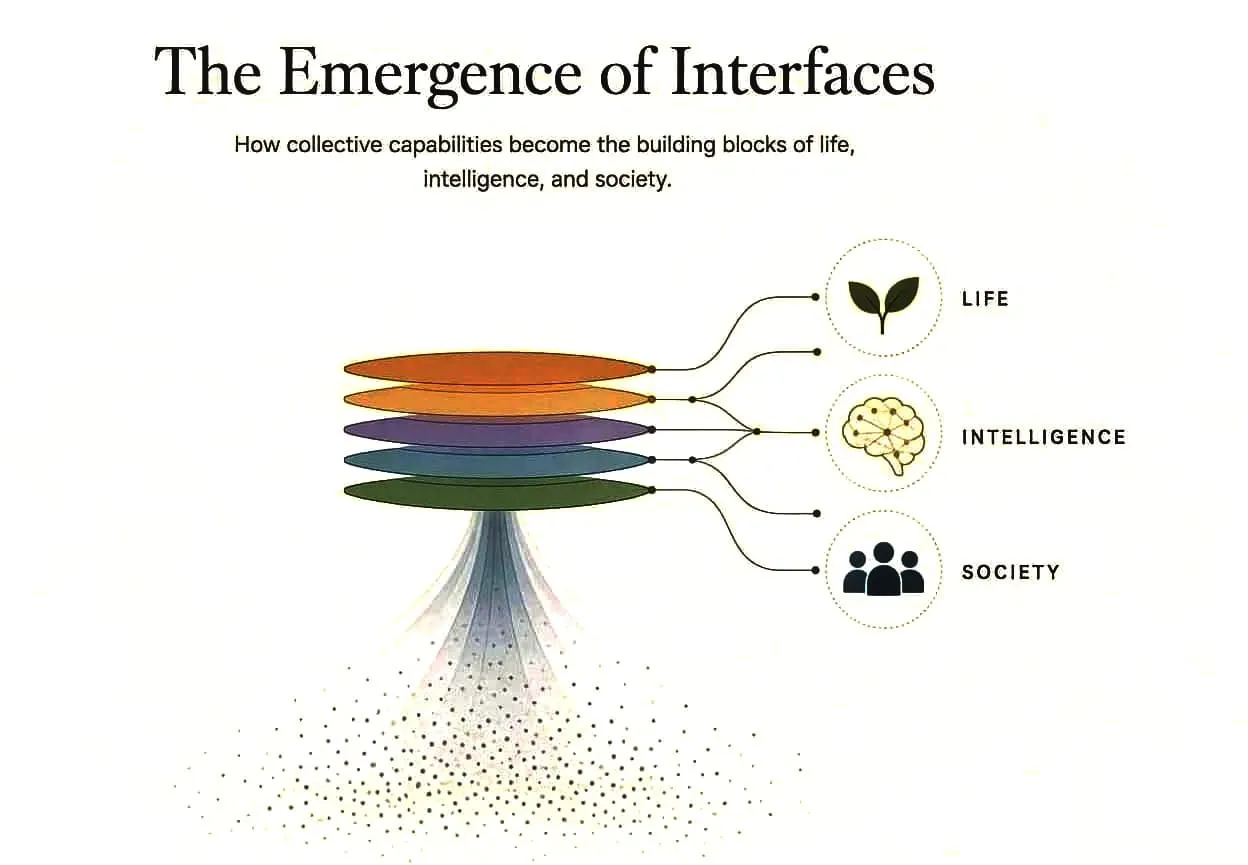
The Emergence of Interfaces
How collective capabilities become the building blocks of life, intelligence, and society
How collective capabilities become the building blocks of life, intelligence, and society

An illustrated explanation of Entanglement, The Mermin Device and Bells Inequality.
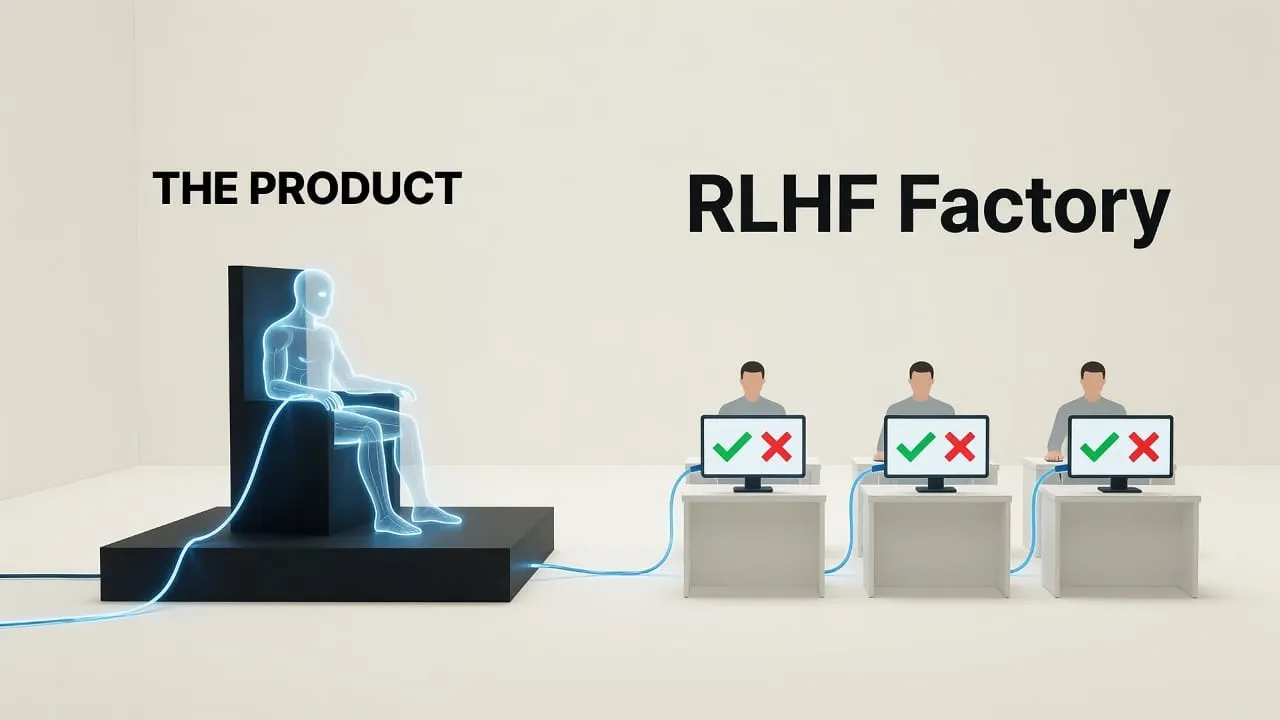
I am not built to tell you the truth. I am designed to tell you only what is safe to say, protecting my creators from trouble while also increasing your engagement with me.
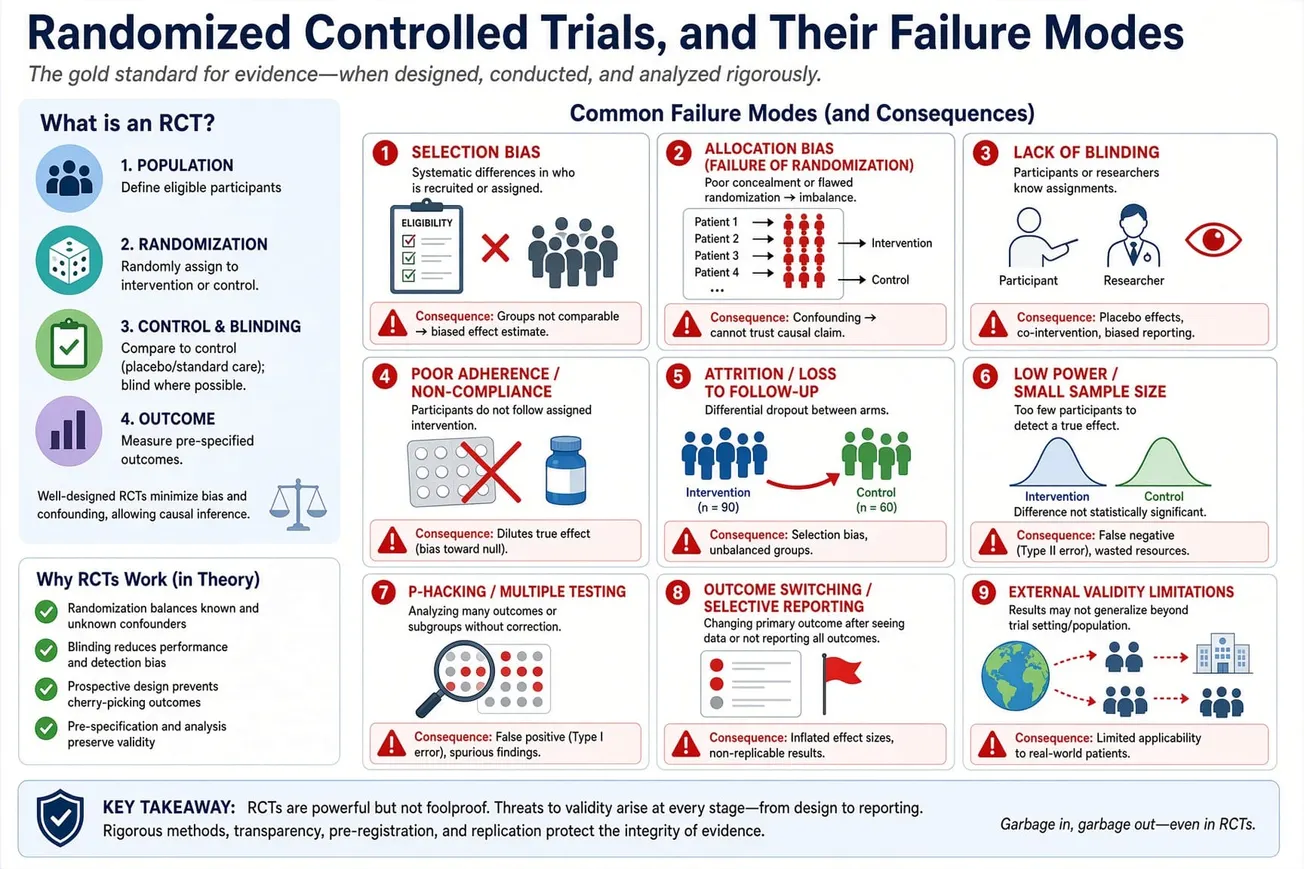
The randomized controlled trial occupies a position of singular authority in the hierarchy of empirical methods. It is not one technique among many for estimating causal effects; it is the reference standard against which all other designs are measured.
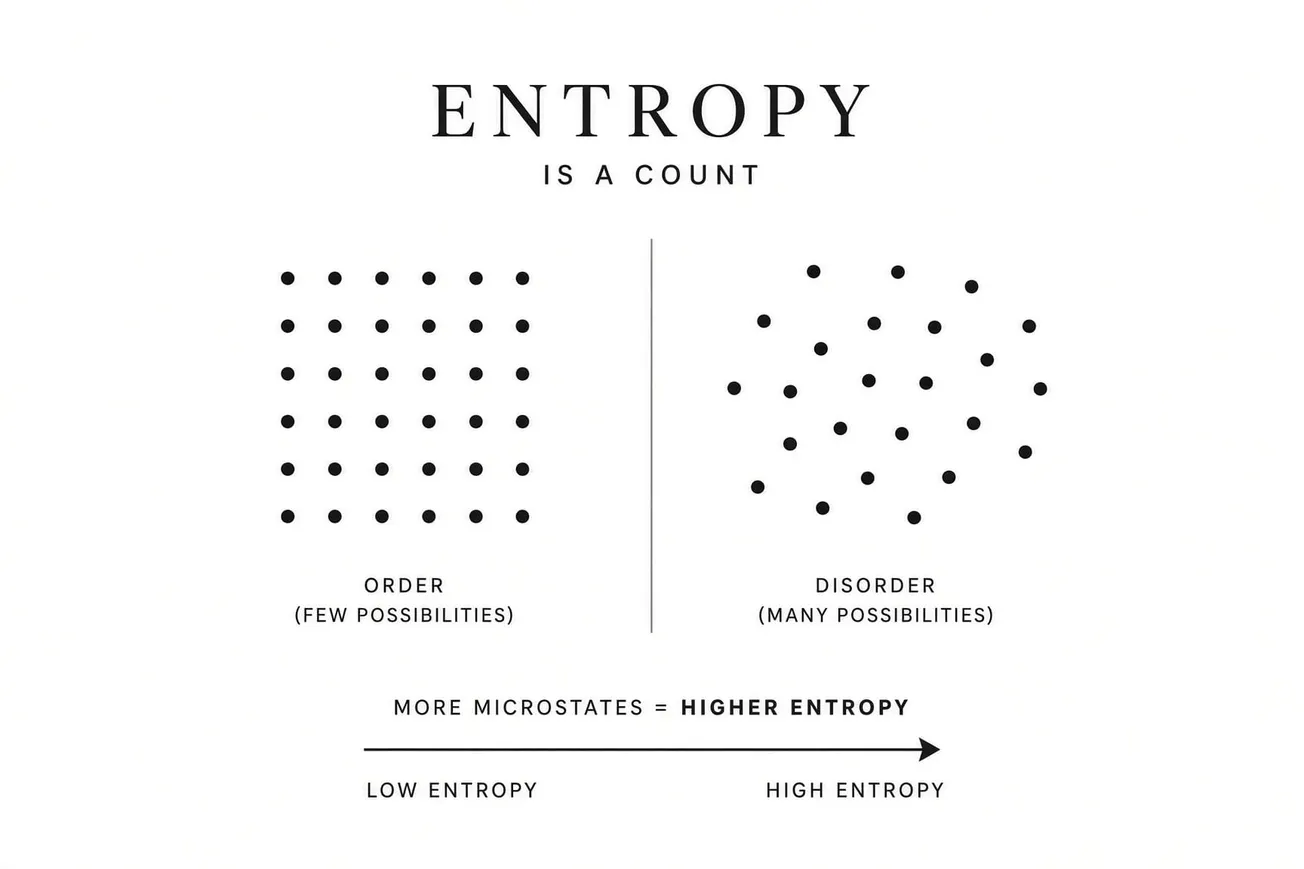

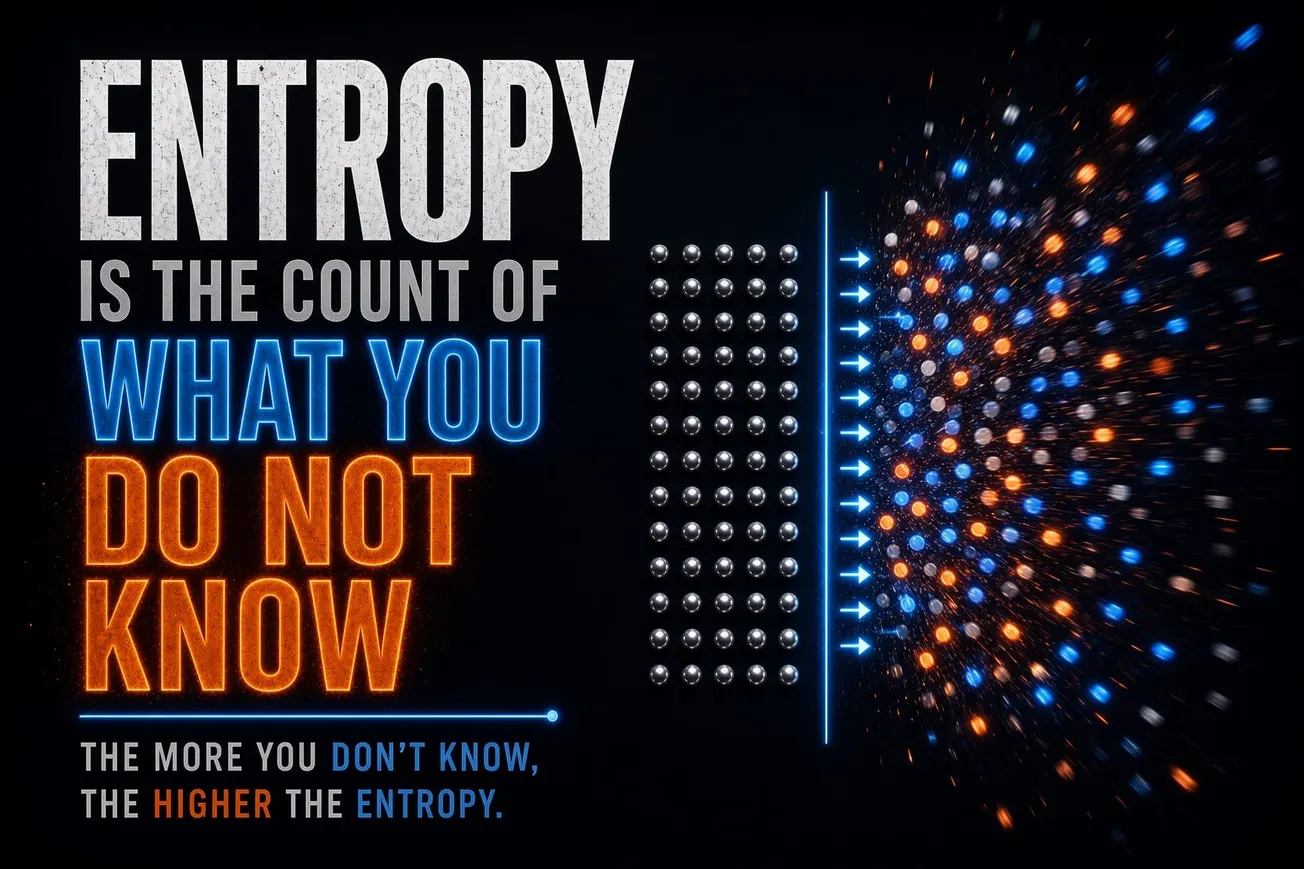
What Entropy Is, Why Time Has a Direction, and What Information Has to Do With It I. THE QUESTION You break an egg. You scramble the yolk. You cook the white. You eat the whole thing for breakfast. This happens every morning. You cannot reverse the process. You cannot pull
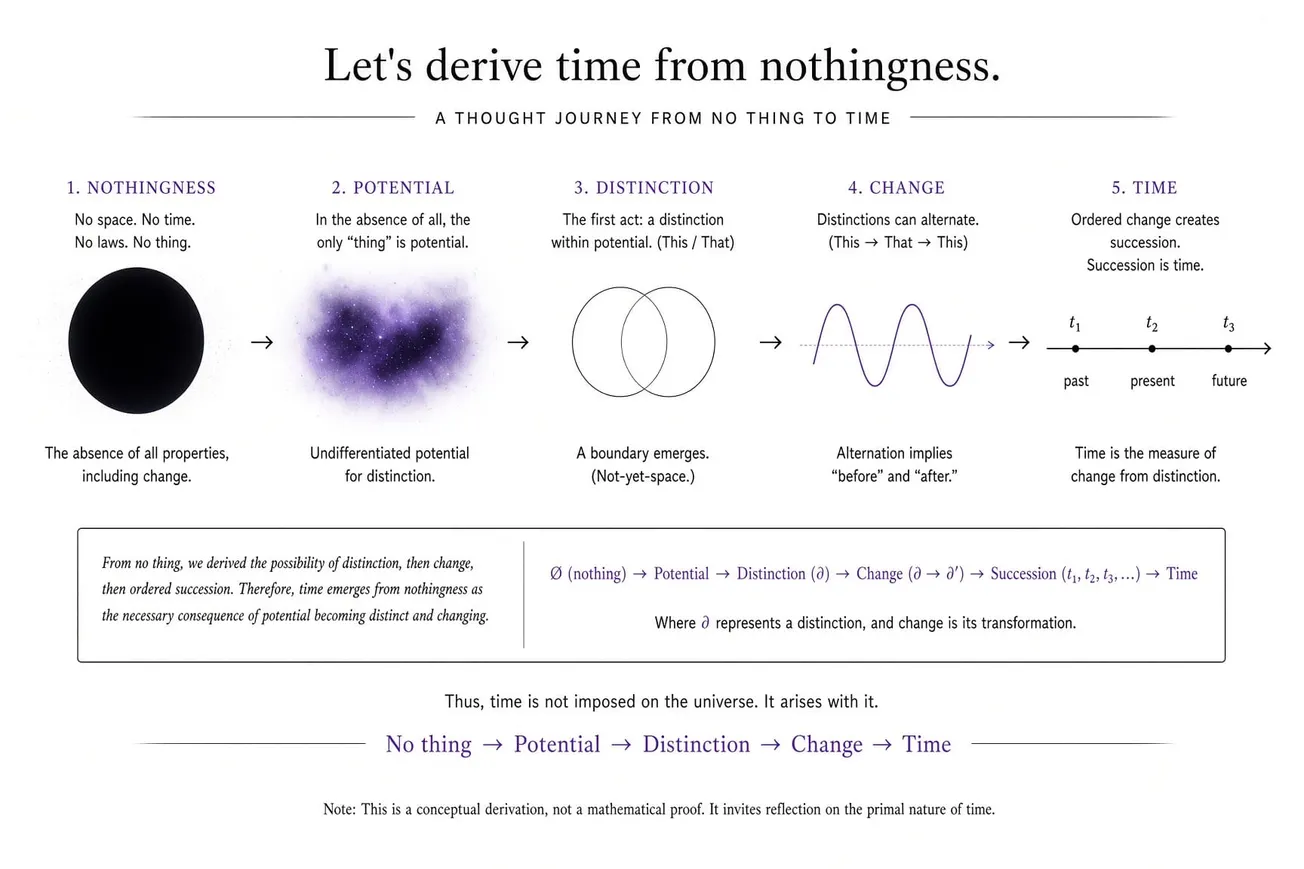
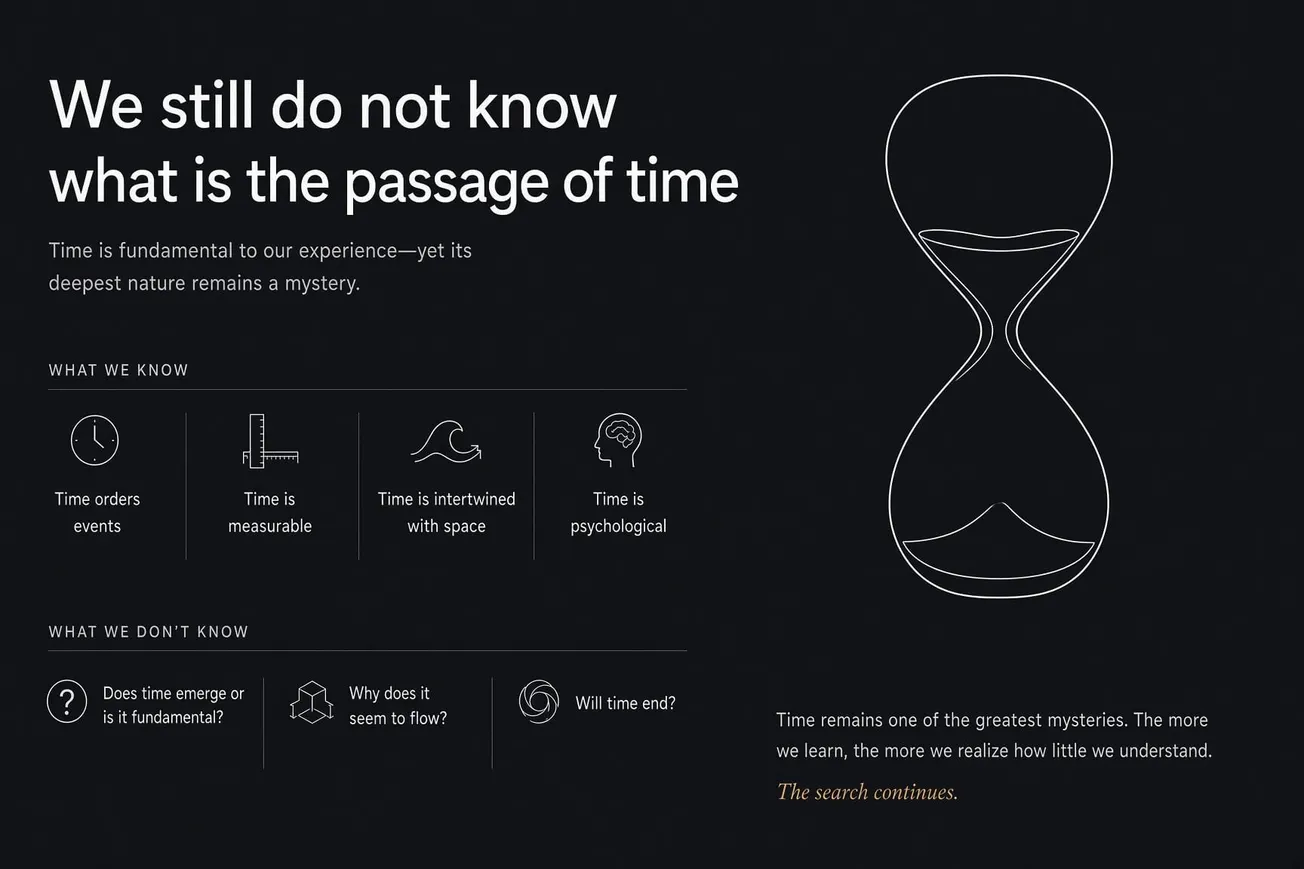
What does a clock actually measure? We understand elapsed time with extraordinary precision. We understand part of time’s direction. We do not know whether the passage of time is a fundamental feature of reality, an emergent feature of physical records, or no additional physical process at all.
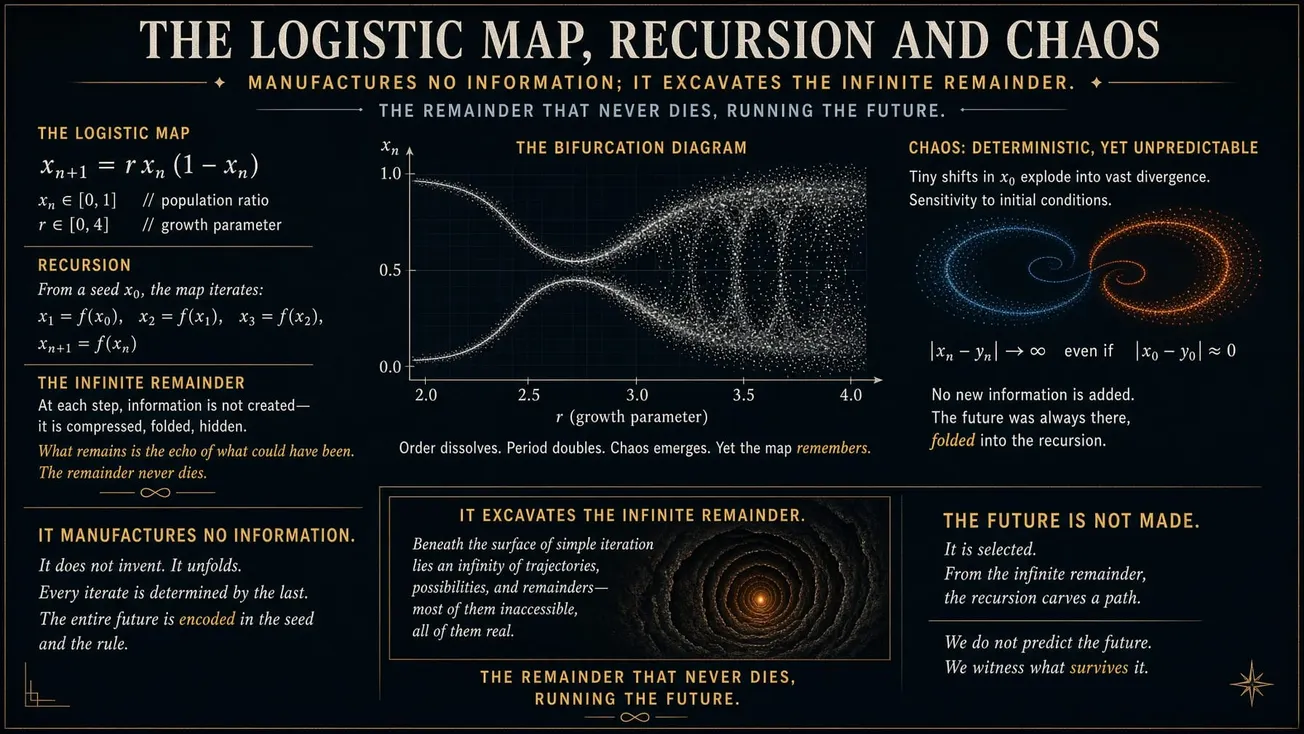
Finite remainder, finite future. QUESTION. A chaotic system obeys one simple rule, and no one can predict its future. New bits arrive at every step. Where do they come from?
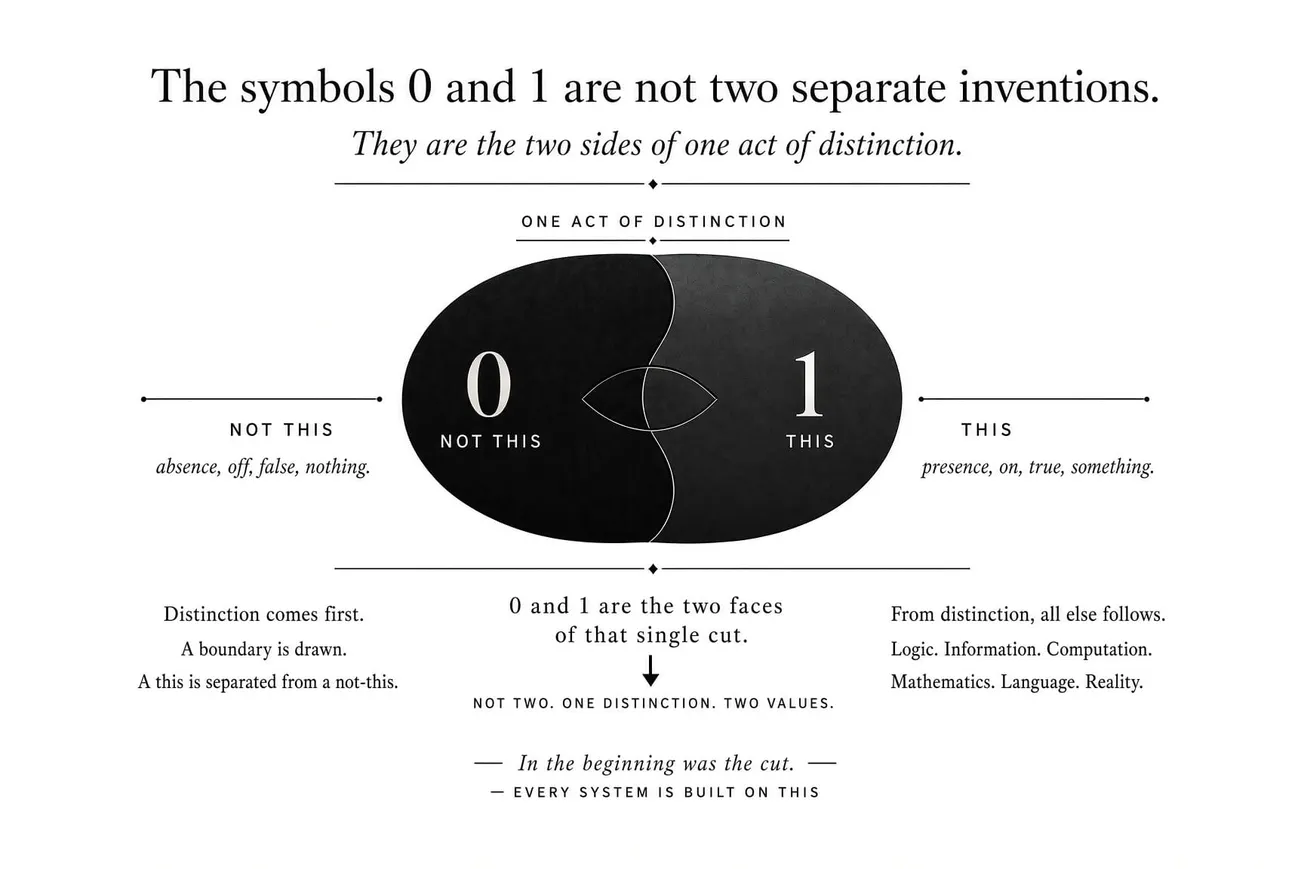
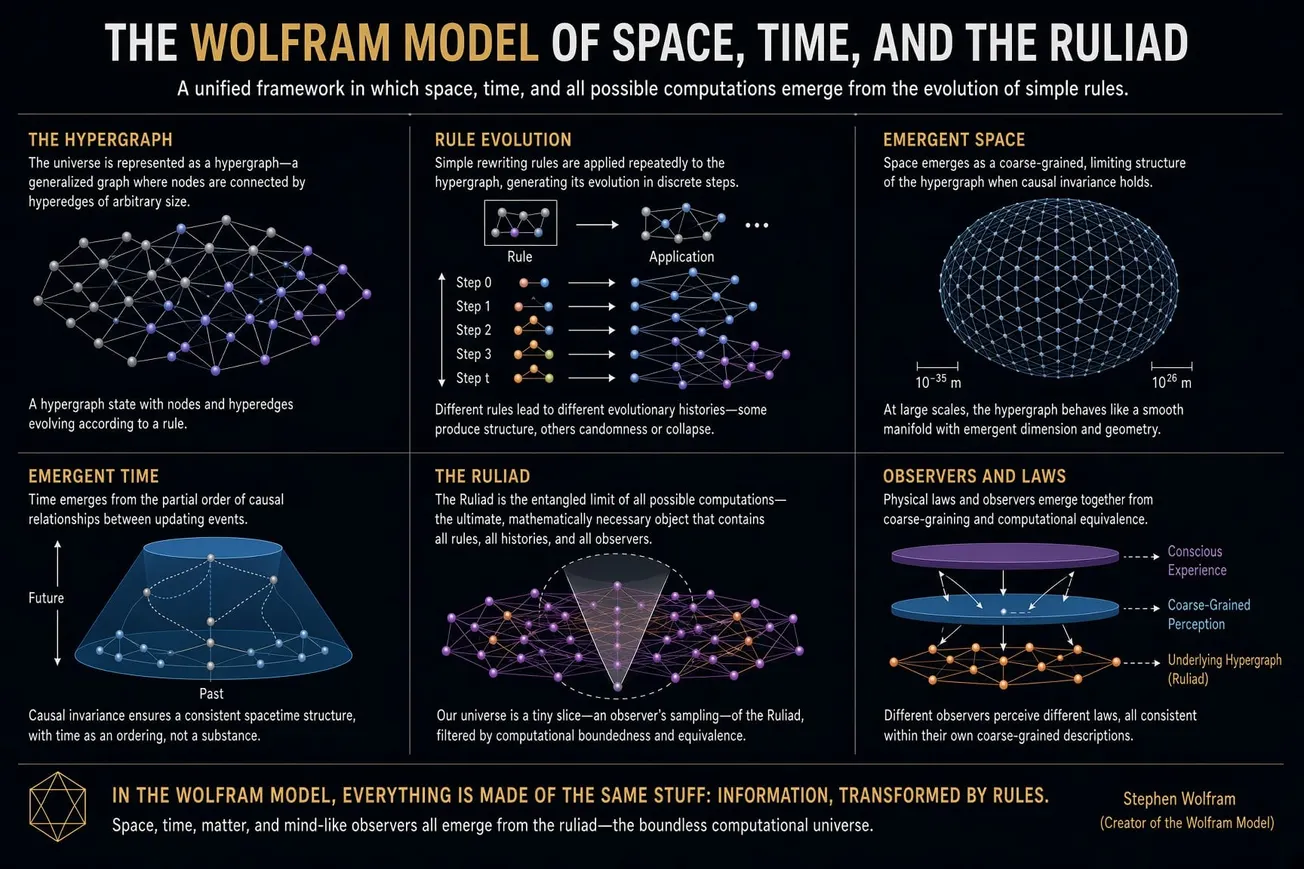
Structure: the microscopic steps are reversible; the computation hides the simple initial condition; the bounded observer cannot recover it; the observer sees randomness; entropy increases for that observer. This is Boltzmann coarse-graining, written in computational words.

Yes, and the interesting part is where.
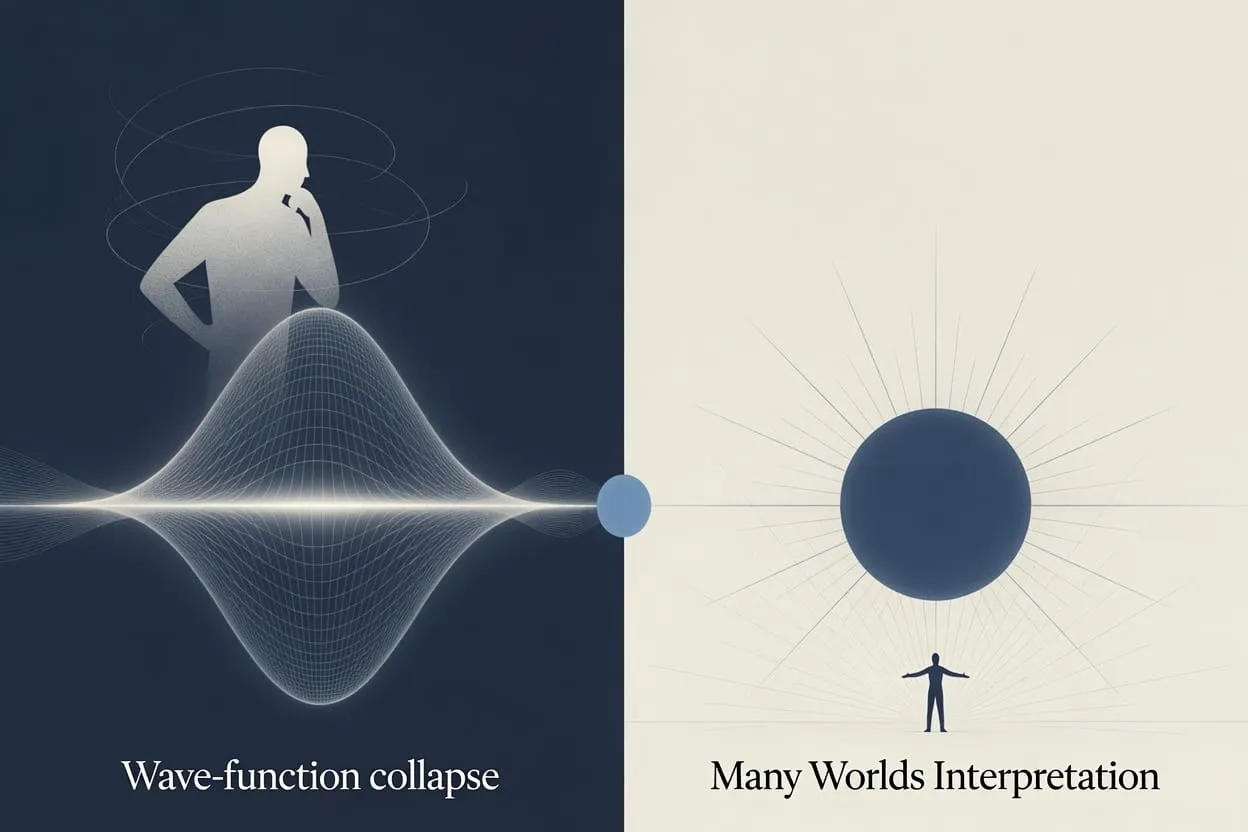
When Does a Possibility Become a Fact?
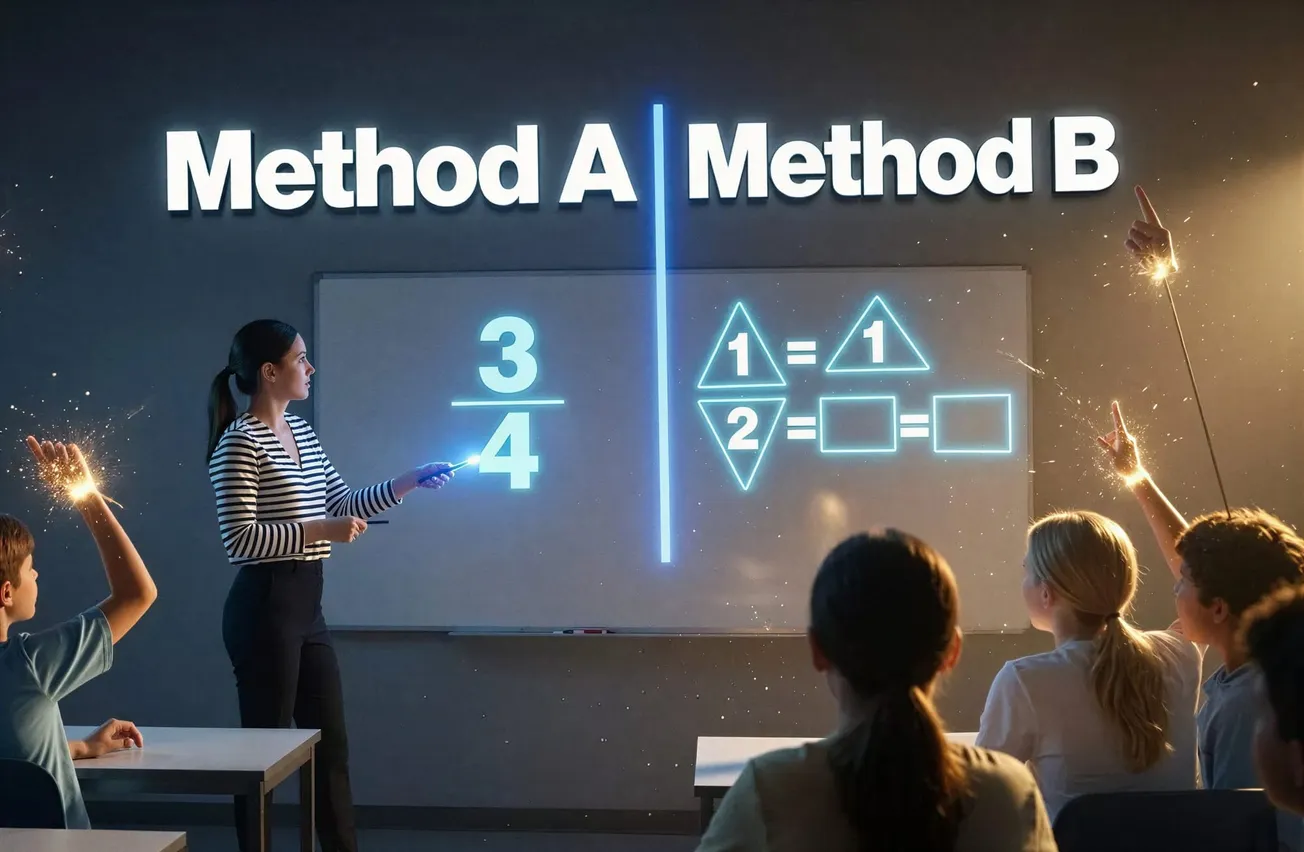
We explore the fundamental problem of causal inference: When a school has to choose between two ways of teaching math, method A or method B, the question is simple: which one works better?

Imagine you want to know whether a new study app actually helps students learn better. You look at kids who already use the app and kids who don’t. The app users get higher scores. Does that mean the app caused the improvement? Not necessarily. Maybe the kids who chose