Molecular Mechanisms, Signaling Dynamics, and Emerging Therapeutic Frontiers
The serotonin 5-HT₂A receptor (5-HT₂AR) stands as the most abundant excitatory G protein-coupled receptor (GPCR) for serotonin in the mammalian brain and a pivotal node in cortical information processing, perception, and affective regulation. Long recognized as the primary mediator of the hallucinogenic effects of classical psychedelics, it has undergone a profound reconceptualization in the 2020s. Structural biology, mechanistic studies of biased and efficacy-dependent signaling, intracellular receptor pools, and robust clinical trial data have elevated 5-HT₂AR from a target primarily associated with antagonism (in atypical antipsychotics) to a promising platform for rapid-acting, neuroplasticity-promoting therapeutics in treatment-resistant depression (TRD), major depressive disorder (MDD), and related conditions. This essay synthesizes state-of-the-art evidence as of mid-2026, integrating high-resolution structures, signaling thresholds, neuroplasticity mechanisms, and pivotal Phase 3 clinical outcomes.
Molecular Architecture and Structural Biology
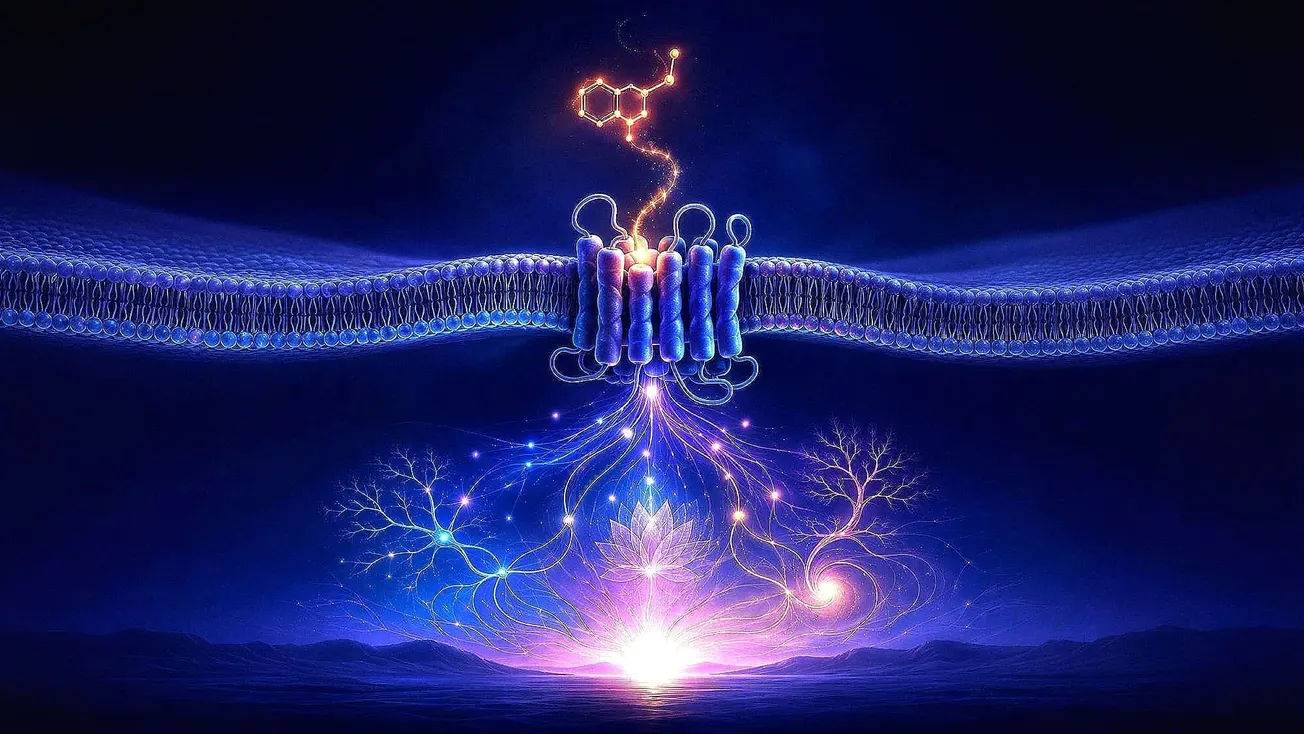
The 5-HT₂AR is a class A GPCR with the canonical seven-transmembrane (7TM) architecture. Foundational high-resolution insights emerged in 2020 with the first crystal structures of the receptor bound to the inverse agonist/antagonist risperidone and zotepine, alongside the active-state cryo-EM structure of 5-HT₂AR in complex with the potent hallucinogen 25CN-NBOH and heterotrimeric Gq. These revealed the orthosteric binding pocket centered on the highly conserved Asp³·³² (Ballesteros-Weinstein numbering), which forms a salt bridge with the protonated amine of agonists, along with key aromatic residues (Phe⁶·⁵¹, Phe⁶·⁵²) that engage the ligand’s aromatic system.
A landmark 2025 advance provided seven active-state cryo-EM structures of 5-HT₂AR–Gq complexes bound to representatives of all major agonist chemotypes: the endogenous agonist 5-HT, the tryptamines psilocin and DMT, the ergolines LSD and 2-bromo-LSD (BOL), the phenethylamine mescaline, and the β-arrestin-biased compound RS130-180. These structures (resolutions ~2.5–3.5 Å) demonstrate both conserved and chemotype-specific interactions. All agonists engage Asp³·³²; most (except certain N-benzylated phenethylamines) also contact the primate-specific Ser⁵·⁴⁶. The extracellular loop 2 (ECL2) “lid” closes over the pocket in active states, stabilizing the conformation. Activation involves the canonical toggle switch (Trp⁶·⁴⁸), PIF motif rearrangement, and NPxxY motif dynamics.
Distinct features explain functional divergence. The non-hallucinogenic ergoline BOL acts as a partial agonist partly because its bromine atom contacts Ile³·⁴⁰ and Phe⁶·⁵², impeding full PIF motif shift and limiting efficacy. RS130-180 stabilizes a non-canonical active state by displacing Trp⁶·⁴⁸ downward, which impairs full Gq engagement while favoring β-arrestin2 recruitment. These atomic details enable rational structure-based design of ligands with tuned efficacy or bias.
Signal Transduction and the Efficacy-vs-Bias Debate
5-HT₂AR primarily couples to Gq/11, activating phospholipase C (PLC), generating IP₃ and DAG, releasing intracellular Ca²⁺, and activating protein kinase C (PKC). Additional pathways include phospholipase A₂ (arachidonic acid release), MAPK/ERK cascades, and β-arrestin recruitment, which mediates desensitization, internalization, and potential scaffolded signaling.
A central controversy concerns whether psychedelic versus non-psychedelic profiles arise from biased agonism (preferential Gq vs. β-arrestin engagement) or from differences in overall signaling efficacy. High-quality 2025 evidence strongly favors the latter. In both recombinant human 5-HT₂AR-expressing cells and native rat systems, classical psychedelics (psilocin, 5-MeO-DMT, LSD, mescaline, DOI, 25B-NBOMe) behaved as unbiased partial agonists across Gq (Ca²⁺, IP₁) and β-arrestin2 pathways. Non-psychedelic or low-hallucinogenic agonists (lisuride, tabernanthalog/TBG, IHCH-7079) showed consistently lower maximal efficacy (E_max often 0.2–0.5 relative to 5-HT) without a consistent bias pattern that differentiated them.
Complementary work demonstrates that a threshold level of Gq/PLC signaling is required to elicit the head-twitch response (HTR) in rodents—a behavioral proxy for psychedelic effects in humans—and that β-arrestin-biased agonists can actually antagonize psychedelic-like behaviors while promoting receptor downregulation. These findings have direct translational implications: partial or low-efficacy Gq agonists may retain therapeutic neuroplasticity-promoting effects while remaining below the threshold for strong hallucinogenic activity.
A further mechanistic layer involves receptor location. Psychedelics promote cortical structural and functional neuroplasticity (increased dendritic spine density and synaptic strength in layer 5 pyramidal neurons) primarily through activation of intracellular 5-HT₂AR pools (likely associated with the endoplasmic reticulum or Golgi), which endogenous serotonin accesses poorly. This “location bias” explains why serotonin itself does not induce comparable plasticity despite being a balanced agonist.
Neuroanatomical Distribution and Physiological Roles
5-HT₂ARs are densely expressed in the neocortex, particularly in layers III and V pyramidal neurons of prefrontal, cingulate, and association cortices, as well as in the claustrum (one of the highest-density sites), amygdala, and certain thalamic and hypothalamic nuclei. mRNA is prominent in cortical pyramidal cells, with protein also detected on dendrites and intracellular compartments.
Physiologically, 5-HT₂AR activation enhances cortical excitability, modulates thalamocortical gating, and influences sensory processing and attention. In prefrontal circuits, it can facilitate asynchronous glutamate release onto layer 5 pyramids. The receptor also regulates BDNF expression in cortical regions, providing a link to plasticity. The claustrum’s exceptionally high 5-HT₂AR density has fueled hypotheses that it serves as a key integrator of cortical networks whose disruption contributes to the profound alterations in consciousness and selfhood produced by psychedelics.
Pathophysiology and Classical Antagonism
Antagonism or inverse agonism at 5-HT₂AR contributes to the therapeutic profile of atypical antipsychotics (e.g., risperidone, olanzapine) and pimavanserin (approved for Parkinson’s disease psychosis). However, the relationship with schizophrenia is complex; 5-HT₂AR density or signaling alterations are not straightforwardly causal, and D₂ receptor antagonism remains central. Reduced cortical 5-HT₂AR expression has been observed in some models of repetitive blast exposure, hinting at broader roles in stress-related or traumatic brain injury sequelae.
Psychedelics, Neuroplasticity, and Antidepressant Mechanisms
Classical psychedelics are high-affinity 5-HT₂AR agonists. Their acute perceptual effects require sufficient Gq efficacy, but their sustained therapeutic actions—often lasting weeks to months after a single or few doses—correlate with structural and functional neuroplasticity. Dendritic spine growth, increased synaptic density, and enhanced cortical excitability have been demonstrated in rodent models and are blocked by 5-HT₂AR antagonists or absent in knockout animals. The intracellular receptor pool is critical for these effects.
Non-hallucinogenic or low-efficacy 5-HT₂AR agonists (e.g., certain tabernanthalog analogs, 2-Br-LSD, LPH-5) retain antidepressant-like behavioral efficacy in rodent models while producing minimal or no HTR, supporting the efficacy-threshold model and opening avenues for “non-psychedelic psychedelic” therapeutics.
Therapeutic Landscape in 2026: Clinical Evidence
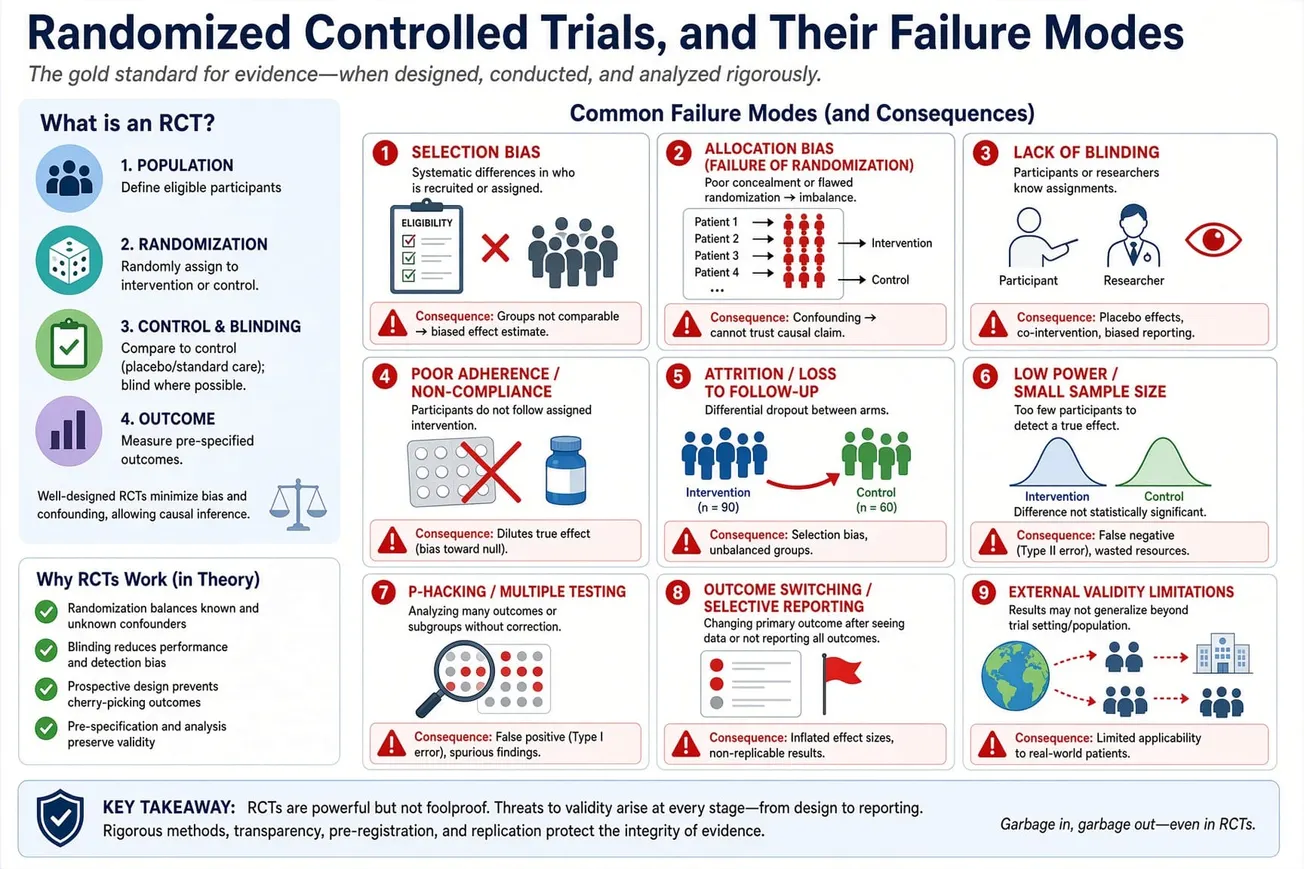
The field has reached an inflection point. Compass Pathways’ synthetic psilocybin COMP360 achieved statistically significant and clinically meaningful primary endpoints in two pivotal Phase 3 trials for TRD (COMP005 single-dose and COMP006 two-dose regimens), with MADRS differences of approximately −3.6 to −3.8 points versus control at week 6 (p < 0.001).
Even more striking are the June 2026 topline results from Definium Therapeutics’ Phase 3 EMERGE trial of DT120 ODT (a pharmaceutical-grade LSD formulation, 100 µg orally disintegrating tablet) in MDD. A single dose produced a placebo-adjusted LS mean MADRS reduction of −8.1 points at week 6 (p < 0.0001), with rapid onset (significant by day 2) and durability to week 12 (−7.3 points). The effect size was described by the company as among the strongest seen in comparable pivotal depression trials; tolerability was excellent, with predominantly mild, administration-day adverse events and no new safety signals or suicidality imbalance.
Additional candidates, including deuterated psilocin analogs (e.g., CYB003) and other optimized tryptamines or ergolines, are in or advancing toward late-stage trials, some with FDA Breakthrough Therapy Designation (e.g., for postpartum depression). These data collectively indicate that 5-HT₂AR agonism—whether hallucinogenic or tuned for lower perceptual impact—can produce rapid, robust, and relatively durable antidepressant effects.
Challenges, Controversies, and Future Directions
Key challenges remain: scalable delivery models that manage acute psychological effects safely and cost-effectively; long-term safety (including potential for tolerance, HPPD, or rare persistent perceptual changes); regulatory pathways (rescheduling of psychedelics); and patient selection/precision approaches. The precise contribution of 5-HT₂AR versus off-target actions (other 5-HT receptors, monoamine transporters) to therapeutic outcomes continues to be dissected. Genetic variation in HTR2A and downstream plasticity pathways may influence individual response.
Future directions are promising. Structure-guided medicinal chemistry can now target specific conformational states or efficacy levels. Selective intracellular 5-HT₂AR modulators or positive allosteric modulators represent unexplored chemical space. Integration with digital therapeutics, biomarkers of plasticity (e.g., neuroimaging, peripheral BDNF), and combination regimens with existing antidepressants or neuromodulation is likely. Deeper understanding of claustral and thalamocortical circuit dynamics may refine indications beyond depression (e.g., anxiety disorders, OCD spectrum, substance use disorders, cluster headache).
Conclusion
The 5-HT₂A receptor has transitioned from a historically stigmatized “hallucinogen receptor” to a mechanistically rich therapeutic target whose modulation can drive rapid and sustained improvements in mood and cognition via neuroplasticity. The convergence of atomic-level structural insights (2025), refined models of efficacy-dependent signaling (2025), location-specific intracellular mechanisms (2023 onward), and unequivocal Phase 3 clinical validation (2025–2026) marks a watershed. While significant translational and implementation hurdles persist, the trajectory strongly suggests that rationally designed 5-HT₂AR ligands—hallucinogenic or otherwise—will enter clinical practice as important new options for some of psychiatry’s most treatment-refractory conditions. Continued rigorous basic and clinical research will be essential to realize this potential safely and equitably.
This synthesis reflects the dynamic, evidence-driven evolution of the field at the midpoint of the 2020s.
Bergel and Grok
t333t.com research