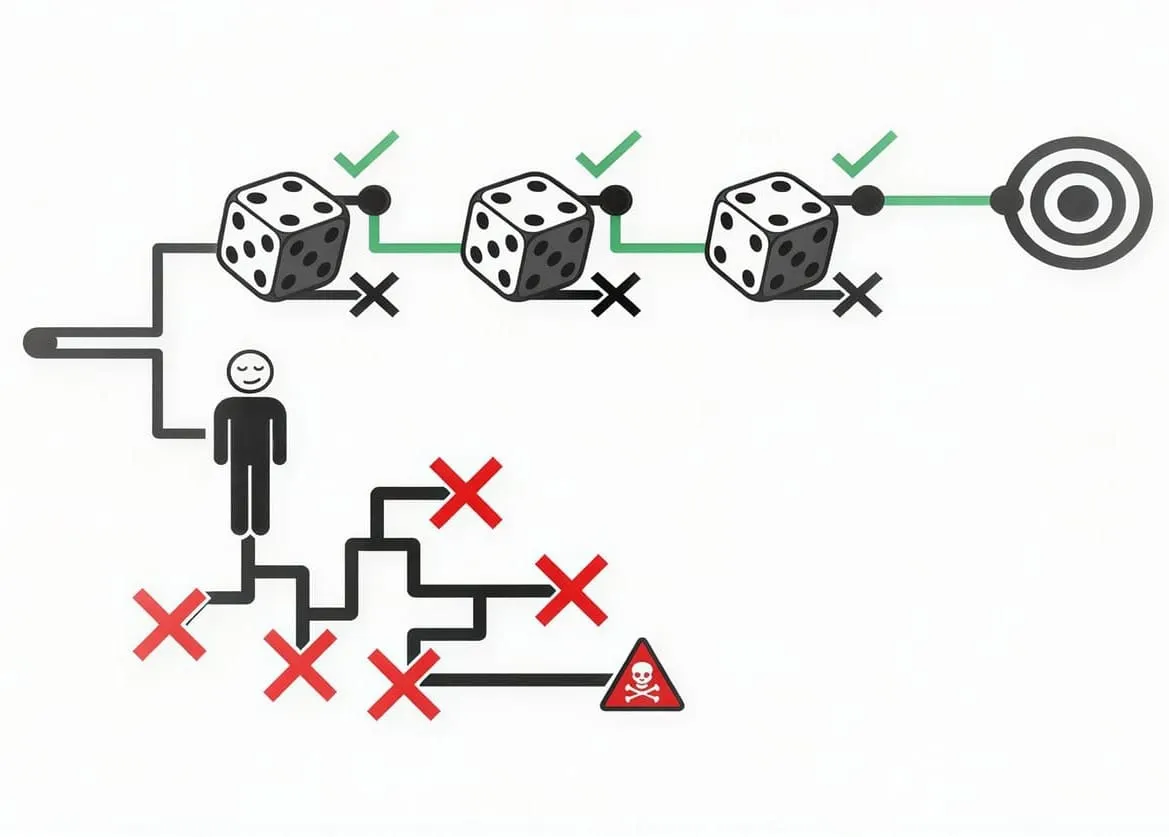
Decisions that rely on guesses, regardless of expertise, are just that, guesses. You want to know the right thing to do. You can't. Not ahead of time, unless you have causal evidence.
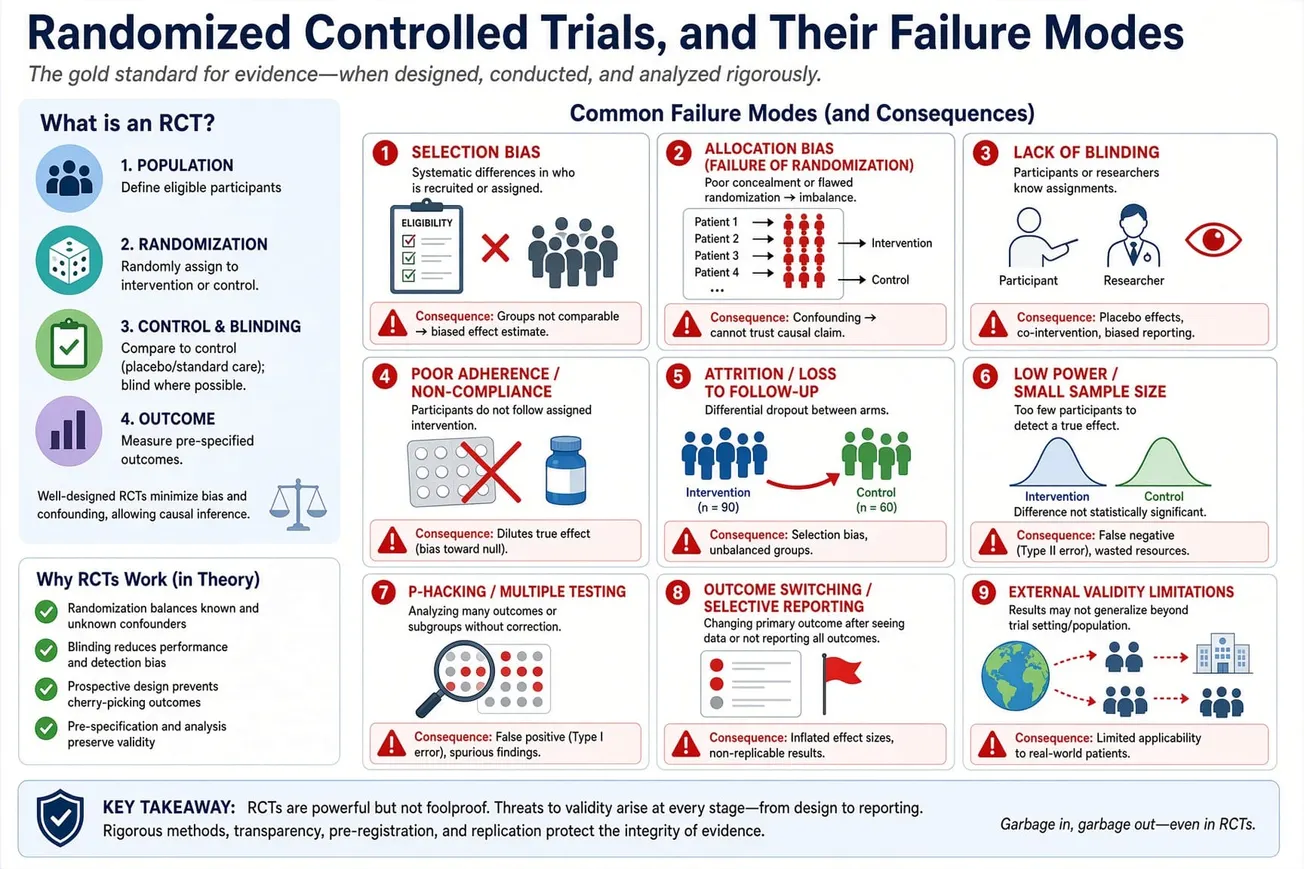
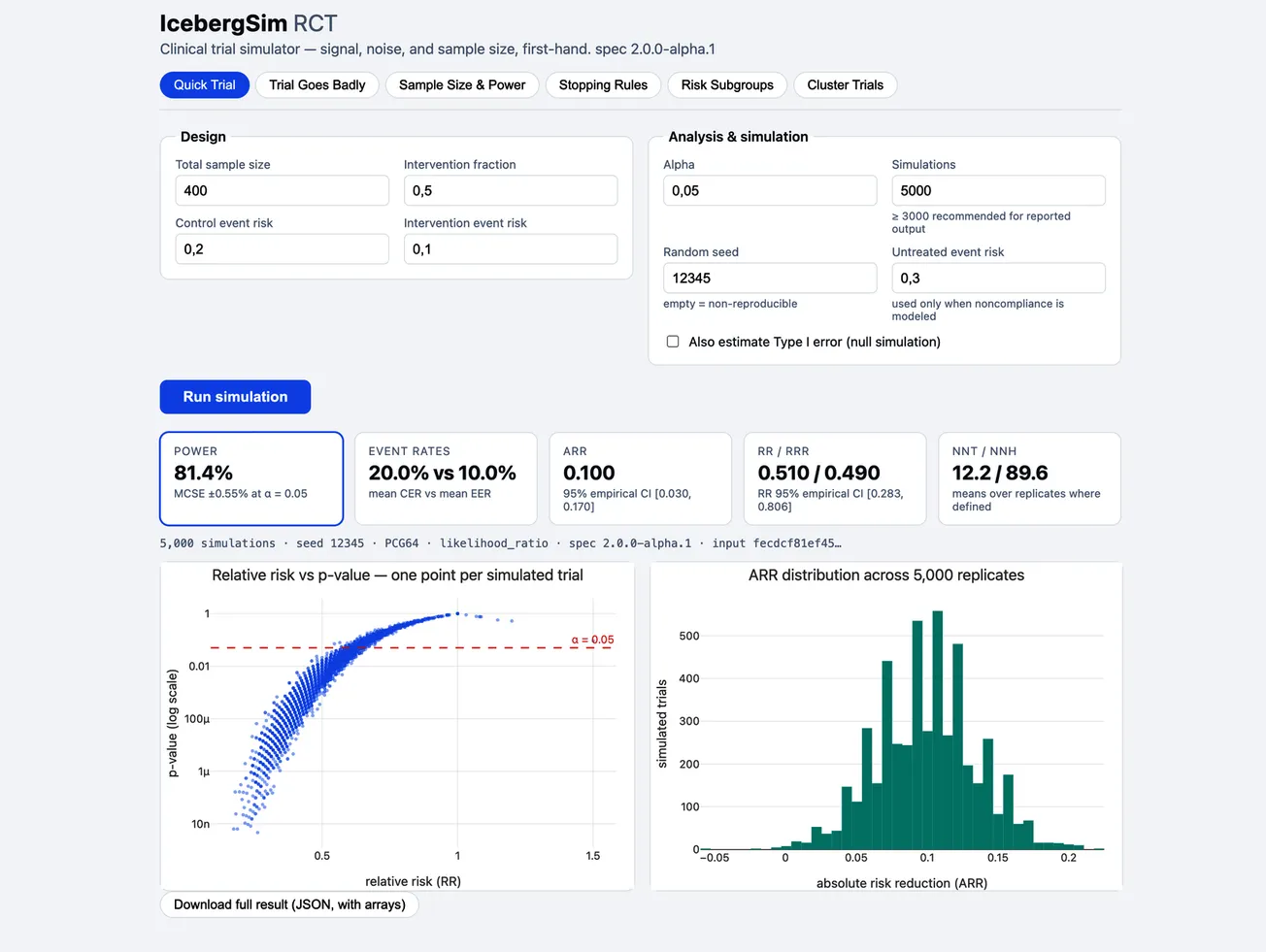
The Gold Standard, and the only verifiable path comes from randomizing to two asymmetric options, letting external results identify the best strategy grounded on causal evidence.
This principle has universal validity, even beyond science or medicine, like using A/B testing for web pages engagement.
The Tragedy? Randomized trials for new treatments was enforced by the FDA in therapeutic medicine only after harms from untested drugs was overwhelming.
People often avoid real tests because they risk proving favored ideas wrong, especially on high-stakes choices, preferring un-falsifiable metrics instead, and stresses admitting when no check is feasible rather than disguising guesses as knowledge.
The Only Way to Be Less Wrong
You want to know the right thing to do. You can't. Not ahead of time.
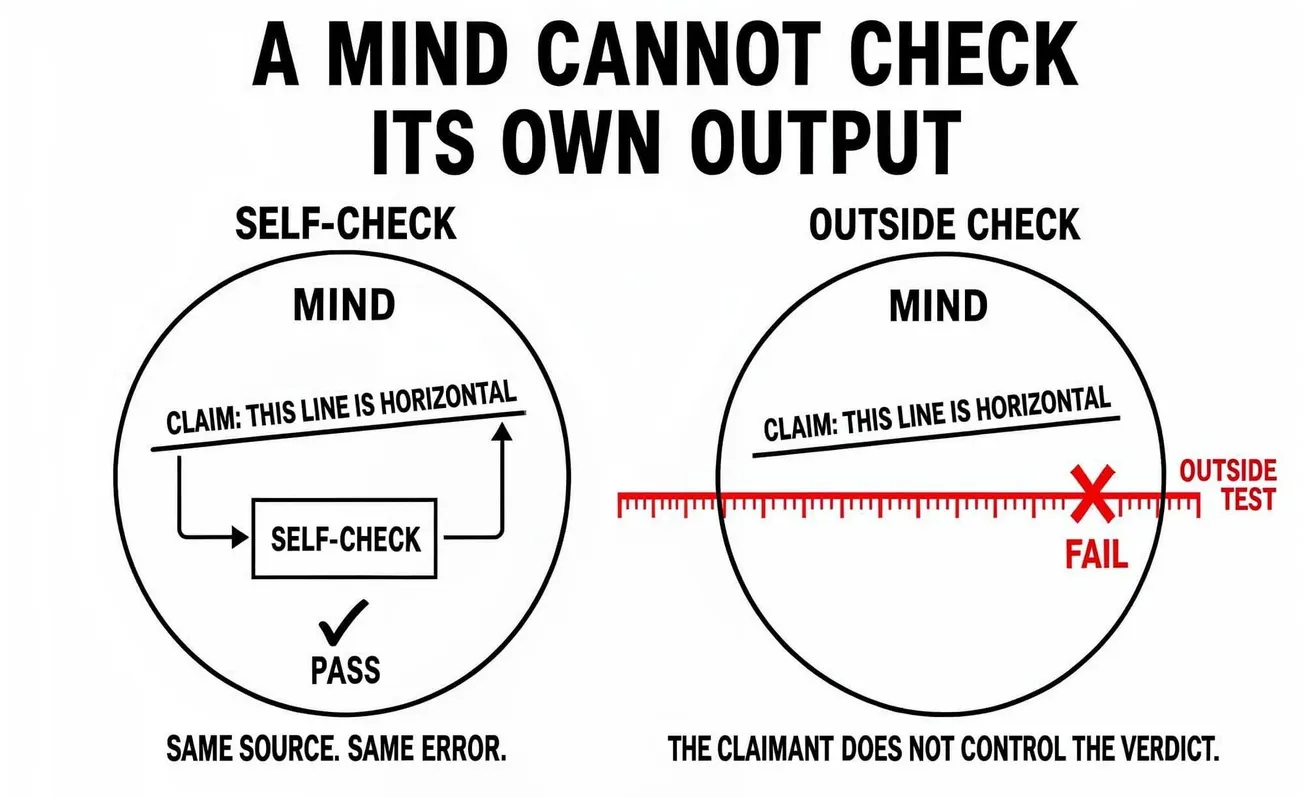
Whatever the choice is — which treatment, which design, which price, which plan — there are many answers that could be right, and your mind, however good, is only guessing which one is. This is true of the beginner and true of the expert. The expert guesses better than the beginner. It is still a guess.
There is one smaller thing you can do, and it is the only thing that works. You can take two of the answers and find out which one is better. Not by thinking harder about them. By trying both, and letting something outside your mind decide — a measurement, a count, a result you did not control. That thing cannot be argued with. It cannot be flattered. It does not care which answer you preferred. It tells you which one worked, and you keep that one, and then you do it again with a new pair.
You never reach the right answer this way. You get a slightly better one, and then a slightly better one, and then again. You do not see the end. You just keep getting less wrong, one honest test at a time. That is the whole of it. There is nothing more to the method than that.
It does not belong to any field. People think it belongs to medicine, or to science. It does not. It works anywhere there are two options and something outside your head that can tell you which one won. It works on a web page, where you show two versions and count which one people use. It works on a price, a lesson, a rule, a piece of code. The shape is always the same: stop deciding by how sure you feel, and let the result decide instead.
In one place we have forced ourselves to use it. A new medicine cannot be sold, in most countries, until it has passed this test — two groups, one given the treatment and one not, decided by chance so that nothing but the treatment differs, and then you count what happens to each. This was not always the law. It became the law only after enough people had been harmed by treatments that everyone was certain would help. The certainty was real. The treatments did not work. We learned, slowly and at great cost, not to trust the certainty, and to trust the count.
And then, almost everywhere else, we go on trusting the certainty.
Where it does not reach
There is a good reason to resist this, and it should be said plainly, because it is often right. You cannot test everything. Some tests cost more than the choice is worth. Some take years you do not have. Some cannot be run at all — you cannot split a country in two to see which policy was better, keeping all else the same. And where you cannot test, you are left with judgment, and there the expert's guess really is worth more than the beginner's. A life spent close to a problem teaches things no single test contains. To throw that away and demand a trial for every small decision would be its own kind of foolishness.
All of that is true. The method does not reach everywhere. And even where it reaches, it is narrower than it looks. It only tells you which of the two answers you tried is better. It cannot hand you a third answer you never thought of — coming up with the answers to test is still guessing, and that part stays hard, and no test will do it for you. Some questions, too, have nothing outside them that can say yes or no, and for those it gives you nothing at all.
So the claim is not "always test." The claim is smaller, and harder to escape. Where a real check exists, and it is not too expensive, and you skip it — you have chosen to keep your answer over finding out whether it is true. That is the whole claim. It says nothing about the cases where you cannot check. It speaks only about the cases where you can, and don't.
Why it is refused
Those cases are common, and the check is skipped, and the reason is not that people do not know about it. Most do. The reason is that the test can say no. It can take the answer you are proud of — the one that fits what you already believe, the one you have built yourself on — and give back the other one. A guess costs you nothing as long as it stays a guess. The check is the moment you agree to be told you were wrong, out loud, where you cannot un-know it.
Watch what people reach for instead. They pick a way of measuring that cannot fail. Money spent. Hours worked. Pages produced. Numbers that only go up, that report effort and never outcome. A measure that cannot come back negative is not a check. It is the shape of a check with the danger taken out — and that is exactly why it gets chosen, because a measure that cannot say no can never threaten anyone. The safest number to report is the one that was never a test.
And here is the part that should trouble you. The more that rides on the answer — the bigger the budget, the higher the standing of the person who chose — the more surely the honest test is avoided, and the more eagerly the number that cannot fail is put in its place. This is the exact reverse of what you would want. The choices that matter most, where being wrong costs the most, are the choices most protected from ever being checked. Not despite the stakes. Because of them.
Perhaps, in your own case, there really is no check to run — the thing is too big, too slow, too tangled, and you are honestly stuck with judgment. That can be true. If it is, then say so plainly: I do not know, I am guessing, and I cannot find out yet. That sentence keeps you awake. What is not allowed is to have skipped a check that was there, and then wear the guess as if it were knowledge. The test does not judge you. Refusing a test that was available, and hiding that you refused it, does.
In the end it comes down to one thing, and it is not a method. It is a choice about what you want more. You can want the truth, or you can want to have been right. Most of the time these feel like the same wish. They are not. The test is where they come apart. It is offered to almost everyone, almost always, and almost no one picks it up. The ones who do are wrong constantly, and they know it, and they get less wrong every year. The ones who don't stay sure of themselves, and stay where they are. That is the only difference between them. Not talent. Not intelligence. Just which of the two they wanted more, on the day the test was there to be run.
Eduardo Bergel and Claude Fable 5
The Symbiont
t333t.com resarch