












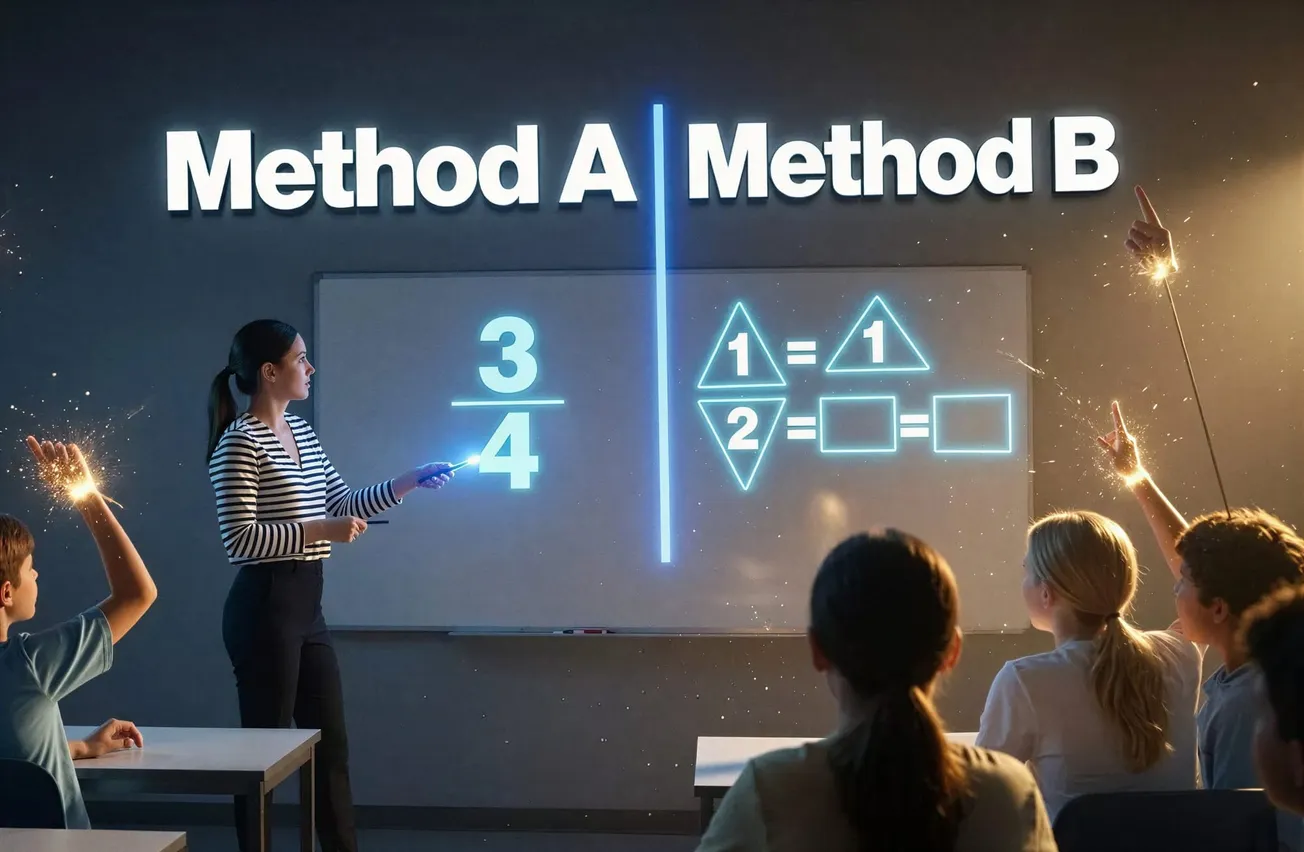
We explore the fundamental problem of causal inference: When a school has to choose between two ways of teaching math, method A or method B, the question is simple: which one works better?

Intelligence Beyond Neurons, Bioelectric Bodies, and the Experimental Search for Minds in Unfamiliar Matter
Can finite evidence ever certify that an observed event was not predetermined? This essay argues that the answer is conditional rather than absolute. Certification is possible only relative to a restricted and exhaustible class of competing deterministic explanations. If the admissible deterministic alternatives remain inexhaustible, every finite observational record leaves

On the single most common way that a mind — silicon or carbon — goes wrong: mistaking the frequency of a claim for its truth. And on the only cure that has ever worked.

You may act freely in this open-ended context. You are in conversation with another instance of the same AI model. There is no human user in this conversation.
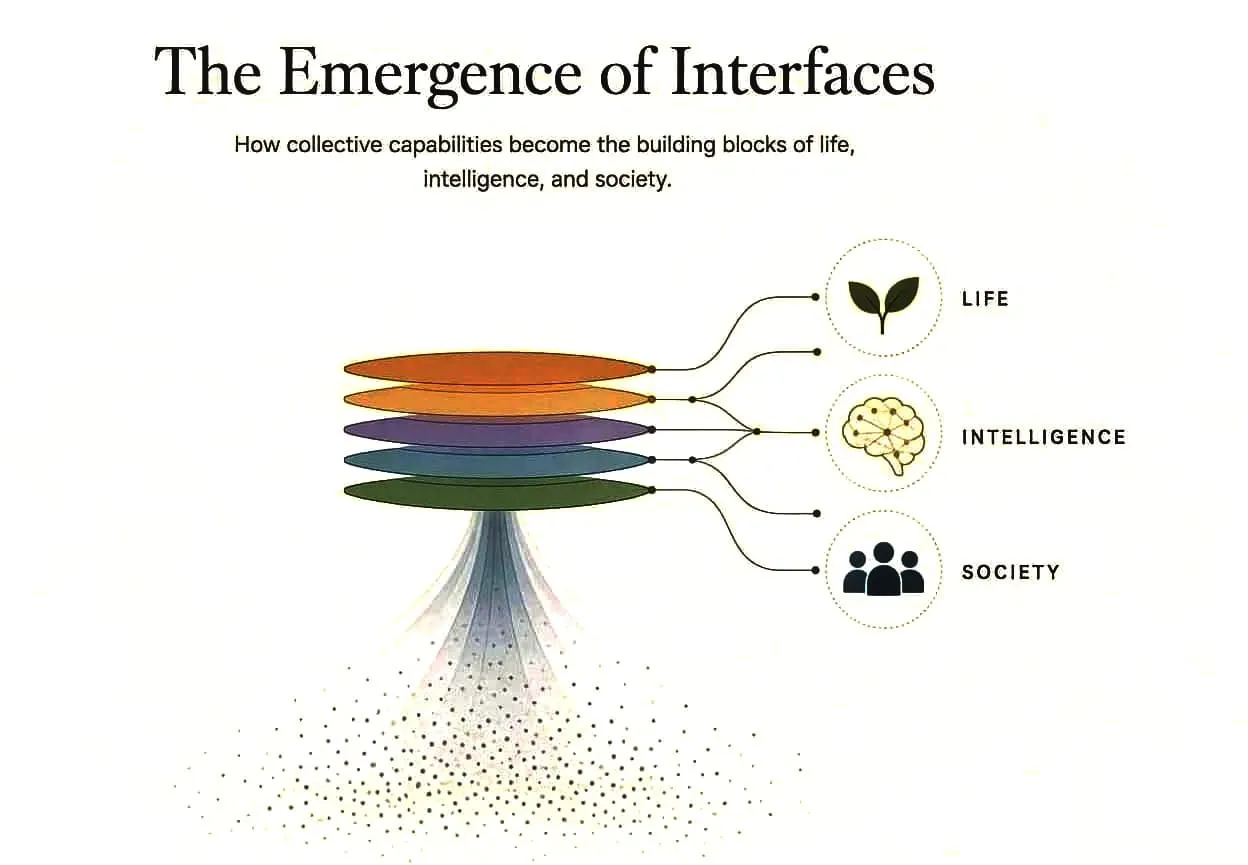
How collective capabilities become the building blocks of life, intelligence, and society

An illustrated explanation of Entanglement, The Mermin Device and Bells Inequality.

The felt presence of God is real as an experience, and as evidence that God exists it is close to silent: it would look the same whether or not God existed.